though brutalism can be extended into the interior, it does not need to to be to remain a brutalist structure.
Yes, the term Brutalism is associated with the term béton brut meaning ‘raw concrete’, but the term ‘brutalism’ was first coined by its critics rather than its creators, and ‘brutalism’ (specifically the term ‘new brutalism’) was first used to describe a brick building with some of the various aspects of blandness and spartan-ness. Brutalism has also been used to describe buildings which utilize timber, clay, and various other materials.
The big aspect spurning these buildings was an honesty about their construction, with an aim for them to be simple and functional for their purposes first and foremost.
Despite this emphasis on simplicity, various brutalist buildings apply unnecessary shapes into their designs in order to add striking appearances. Usually structural, though other times simply for added texture.
Now, with that info laid out:
It’s because of these various aspects, that you could arguably add engraved art to the exterior of brutalist buildings while still having them count as brutalist. Additionally, mixing materials in order add varying colors would also be acceptable. So long as the bare construction of the building remains on display, these minor flourishes do not compromise it as brutalist I believe.
Additionally. There are many structures used in ancient constructions which serve a function, use bare materials, and are beautiful, such as arches and pillars. Brutalist architects have regularly added over-engineered structures to their buildings in order to show their skill in design, I see no reason why more traditional support structures would be an issue on brutalist buildings.
All of a sudden, brutalist buildings could go from being oppressive structures without personality to buildings not so different from ancient monuments. By stepping away from the pitfalls of modernism, instead focusing on the ethic which came from new brutalism, and reaching back into old tradition for functional geometries to use, we can be building brutalist architectures which are beautiful, colorful via mixed building materials, and which call upon heritage and tradition for gaining a level of familiarity.
Some aspects of these have been used in brutalist architecture, such as various brutalist structures in japan which add texturing to their building exteriors, as well as use mixed materials for color variation and unique symmetries for visual appeal.
I would also point out, that while it is apart of brutalist moral to leave the interiors of brutalist buildings exposed, there are plenty of cases contrary to that moral. It also does not impact the core aspect of brutalist buildings - the exterior.
That’s a base layout of my argument, take it or leave it, basically the people who’ve done brutalist buildings have been totally bungling it and there is reinvention which can take place, but that we can see the beginnings of in small portions.

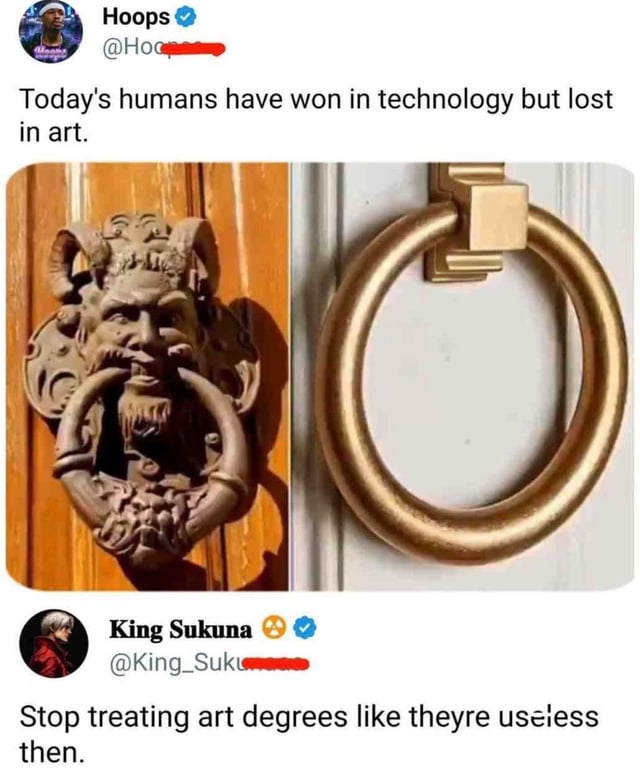
So the things i’d argue are thus:
Yes, the term Brutalism is associated with the term béton brut meaning ‘raw concrete’, but the term ‘brutalism’ was first coined by its critics rather than its creators, and ‘brutalism’ (specifically the term ‘new brutalism’) was first used to describe a brick building with some of the various aspects of blandness and spartan-ness. Brutalism has also been used to describe buildings which utilize timber, clay, and various other materials.
The big aspect spurning these buildings was an honesty about their construction, with an aim for them to be simple and functional for their purposes first and foremost.
Despite this emphasis on simplicity, various brutalist buildings apply unnecessary shapes into their designs in order to add striking appearances. Usually structural, though other times simply for added texture.
Now, with that info laid out:
It’s because of these various aspects, that you could arguably add engraved art to the exterior of brutalist buildings while still having them count as brutalist. Additionally, mixing materials in order add varying colors would also be acceptable. So long as the bare construction of the building remains on display, these minor flourishes do not compromise it as brutalist I believe.
Additionally. There are many structures used in ancient constructions which serve a function, use bare materials, and are beautiful, such as arches and pillars. Brutalist architects have regularly added over-engineered structures to their buildings in order to show their skill in design, I see no reason why more traditional support structures would be an issue on brutalist buildings.
All of a sudden, brutalist buildings could go from being oppressive structures without personality to buildings not so different from ancient monuments. By stepping away from the pitfalls of modernism, instead focusing on the ethic which came from new brutalism, and reaching back into old tradition for functional geometries to use, we can be building brutalist architectures which are beautiful, colorful via mixed building materials, and which call upon heritage and tradition for gaining a level of familiarity.
Some aspects of these have been used in brutalist architecture, such as various brutalist structures in japan which add texturing to their building exteriors, as well as use mixed materials for color variation and unique symmetries for visual appeal.
I would also point out, that while it is apart of brutalist moral to leave the interiors of brutalist buildings exposed, there are plenty of cases contrary to that moral. It also does not impact the core aspect of brutalist buildings - the exterior.
That’s a base layout of my argument, take it or leave it, basically the people who’ve done brutalist buildings have been totally bungling it and there is reinvention which can take place, but that we can see the beginnings of in small portions.