

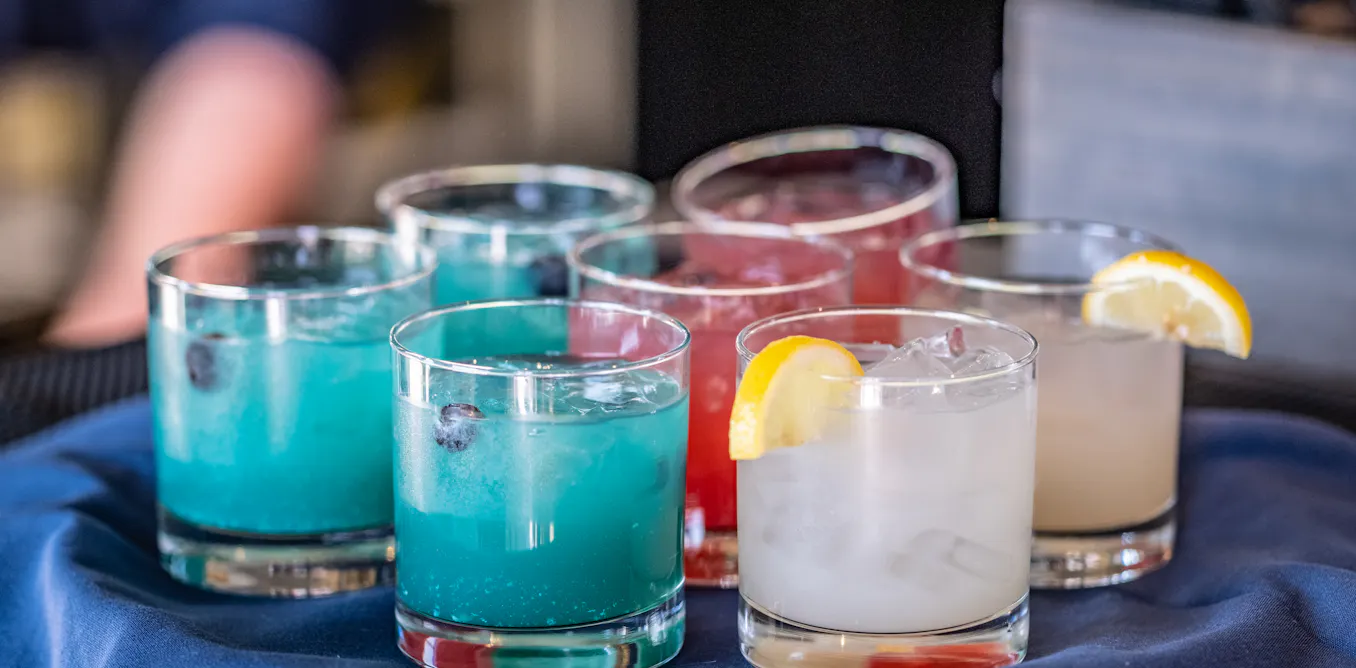
Few substances are as deeply woven into everyday life as alcohol. It is a fixture at holiday celebrations, work-related social gatherings, sporting events, airports, and brunch or dinner tables. A raised glass for a toast, the ubiquitous wedding open bar or drinks shared during a Fourth of July celebration all demonstrate how deeply alcohol has become embedded in social customs and cultural traditions.
Yet alcohol contributes to millions of deaths globally each year and is linked to cancer, liver disease, unintentional accidents, violence and, importantly, dependence and addiction. Despite this, the disconnect between alcohol’s cultural role and its serious health burden is striking.
What does this even mean? How can someone be having a less good time than they’re having? Are you drunk?
Happens all the time, they think they’re having a good time but then they wake up look at their texts and photos and start to remember they were miserable the whole evening and texted an ex several times.
Are you? Because that’s not what I said.
To elaborate, alcohol reduces your sensibilities so things that aren’t that fun seem fun, and conversations that aren’t that interesting seem as though they are. Look up altered perception and diminished perception.
I’m not saying it’s completely useless, but to become the central crutch of social interaction like it did is not healthy for your brain or your quality of life.