Australians regard it as being pivotal to have prevented the Japanese invading mainland Australia in WWII.
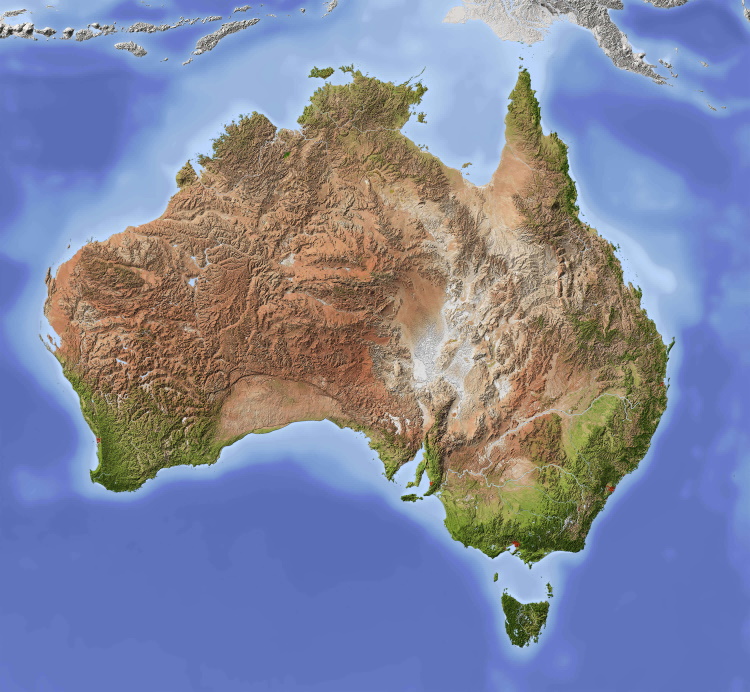
For context, Papua New Guinea (PNG) was an Australian territory at that time. The Japanese had advanced swiftly south, sweeping all before them, eg the Phillipines. Darwin, the main city in the North of Australia, had been bombed by the Japanese (there were over 100 air raids on Australia). The Japanese overland target was Port Moresby, one of PNG’s major cities, which would give them a base to then move on Australia. The invasion of mainland Australia was thought to be imminent.
Conditions were horrendous. Mountainous and treacherous terrain: “The terrain rises and falls with regularity, up to 5,000 metres (16,000 ft) up and down over the full length of the track”. Tropical rainforest, with torrential rain. Incredible heat and humidity by day and very cold at the higher altitudes at night. Malaria was rampant.
The defence of the Kokoda Trail, in conjunction with US advances in the Pacific, eg Gudalcanal stopped the Japanese from advancing further south to Australia.
Some young Australians do the Kokoda Trail trek to honour those who have fallen. It’s not something to attempt lightly. Many only do a section, or fail at their attempt, even with all of the modern equipment - and without the threat of being shot at with every step.
I’ve seen some interviews with Kokoda Track veterans, and some of their experiences are horrendous and heartbreaking.
Kokoda - The men who saved Australia is an excellent documentary by Australia’s best and longest running current affairs and investigative news program, Four Corners.

For other people, like me, ignorant of Aussie news:
Presumably, an important campaign for Australia, and the Allies.
Australians regard it as being pivotal to have prevented the Japanese invading mainland Australia in WWII.
For context, Papua New Guinea (PNG) was an Australian territory at that time. The Japanese had advanced swiftly south, sweeping all before them, eg the Phillipines. Darwin, the main city in the North of Australia, had been bombed by the Japanese (there were over 100 air raids on Australia). The Japanese overland target was Port Moresby, one of PNG’s major cities, which would give them a base to then move on Australia. The invasion of mainland Australia was thought to be imminent.
Conditions were horrendous. Mountainous and treacherous terrain: “The terrain rises and falls with regularity, up to 5,000 metres (16,000 ft) up and down over the full length of the track”. Tropical rainforest, with torrential rain. Incredible heat and humidity by day and very cold at the higher altitudes at night. Malaria was rampant.
The defence of the Kokoda Trail, in conjunction with US advances in the Pacific, eg Gudalcanal stopped the Japanese from advancing further south to Australia.
Some young Australians do the Kokoda Trail trek to honour those who have fallen. It’s not something to attempt lightly. Many only do a section, or fail at their attempt, even with all of the modern equipment - and without the threat of being shot at with every step.
I’ve seen some interviews with Kokoda Track veterans, and some of their experiences are horrendous and heartbreaking.
Kokoda - The men who saved Australia is an excellent documentary by Australia’s best and longest running current affairs and investigative news program, Four Corners.
See also Wikipedia “Kokoda Track campaign”