Yes, but admittedly, the sector would plunge in terms of revenues and profit. What will be left is much smaller than what they have today.
One of the biggest and longest rip-off scheme in history would end quite abruptly.
Now from an economic standpoint, that’s as much money available to consumers that was previously going almost straight to shareholders with a limited return. That could be huge!
Unfortunately our morass of a healthcare system is deeper than insurance - medical device companies, big pharma (&PBMs), venture-capital-owned hospitals, and more all take their cut. Universal health care would not end the rip-off. But it would be an excellent first step.
It’s not possible to approve all care. Taxpayers will, through representative lawmakers, allot a certain amount of money to healthcare, and within that budget, decisions must be made. The realistic goal is not to have every possible treatment always approved, it’s to have a moderately high floor of care that everyone has as a baseline.
The realistic goal is not to have every possible treatment always approved
If a private insurer approves it, the presumption is of medical necessity. If care is being allocated based on “affordability” rather than “necessity” or “net social benefit” then we’re still defining health care as a luxury in some capacity.
“Sorry, we didn’t allocate resources to you because your private sector salary/passive income wasn’t high enough” is an indication of policy failure in a socialist system.
The “realistic” goal is to provide maximum utility at minimal social cost. Not to provide maximum comfort to the highest status individuals.


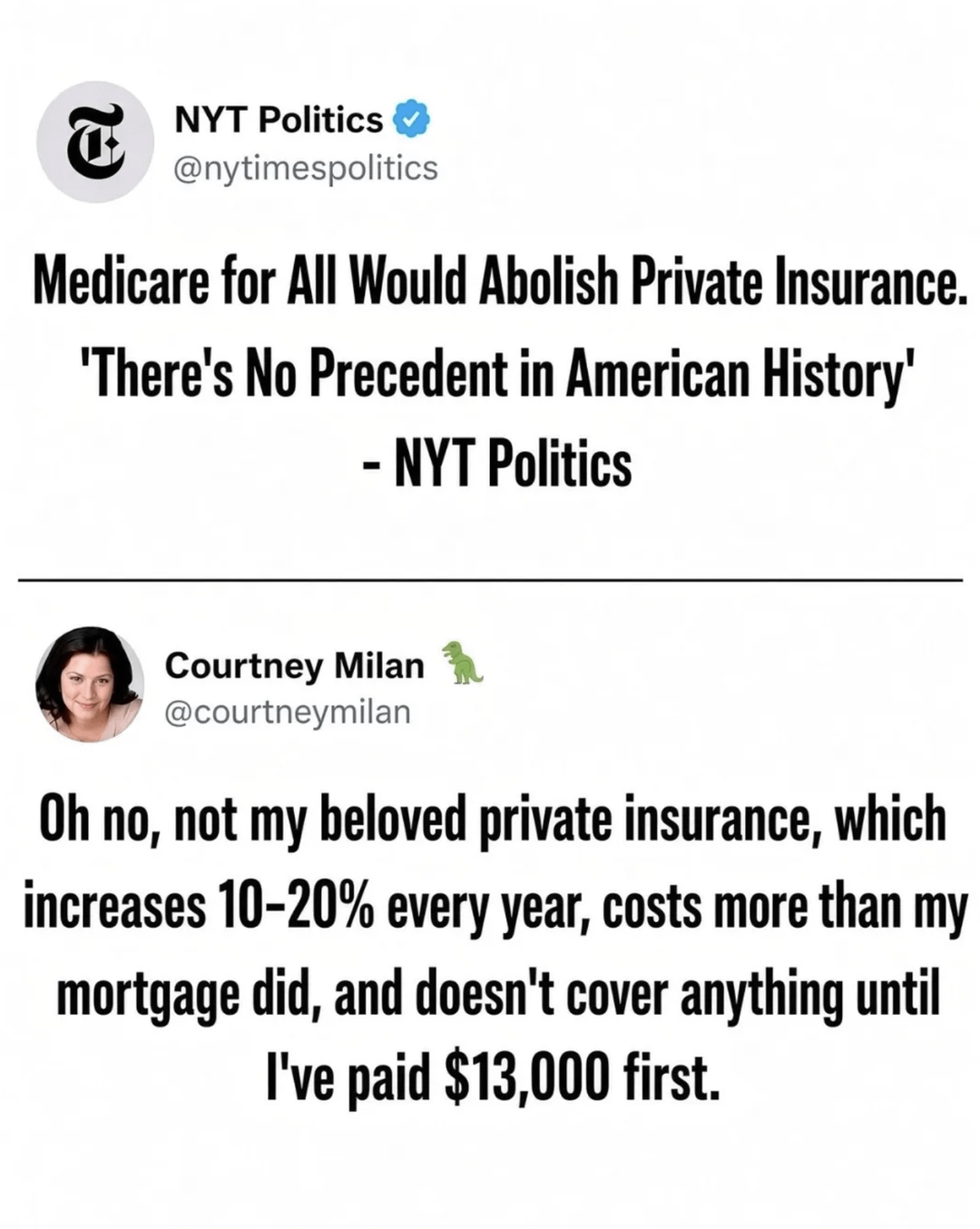
A blatant lie as well, plenty of countries with universal healthcare sustain a private health insurance industry.
Yes, but admittedly, the sector would plunge in terms of revenues and profit. What will be left is much smaller than what they have today.
One of the biggest and longest rip-off scheme in history would end quite abruptly.
Now from an economic standpoint, that’s as much money available to consumers that was previously going almost straight to shareholders with a limited return. That could be huge!
Unfortunately our morass of a healthcare system is deeper than insurance - medical device companies, big pharma (&PBMs), venture-capital-owned hospitals, and more all take their cut. Universal health care would not end the rip-off. But it would be an excellent first step.
More an indictment of their mediocre reform than a testament to their accommodation.
Why do you still need private insurance in a public system unless it’s two-tiered and rationing care by wealth level.
It’s not possible to approve all care. Taxpayers will, through representative lawmakers, allot a certain amount of money to healthcare, and within that budget, decisions must be made. The realistic goal is not to have every possible treatment always approved, it’s to have a moderately high floor of care that everyone has as a baseline.
If a private insurer approves it, the presumption is of medical necessity. If care is being allocated based on “affordability” rather than “necessity” or “net social benefit” then we’re still defining health care as a luxury in some capacity.
“Sorry, we didn’t allocate resources to you because your private sector salary/passive income wasn’t high enough” is an indication of policy failure in a socialist system.
The “realistic” goal is to provide maximum utility at minimal social cost. Not to provide maximum comfort to the highest status individuals.