

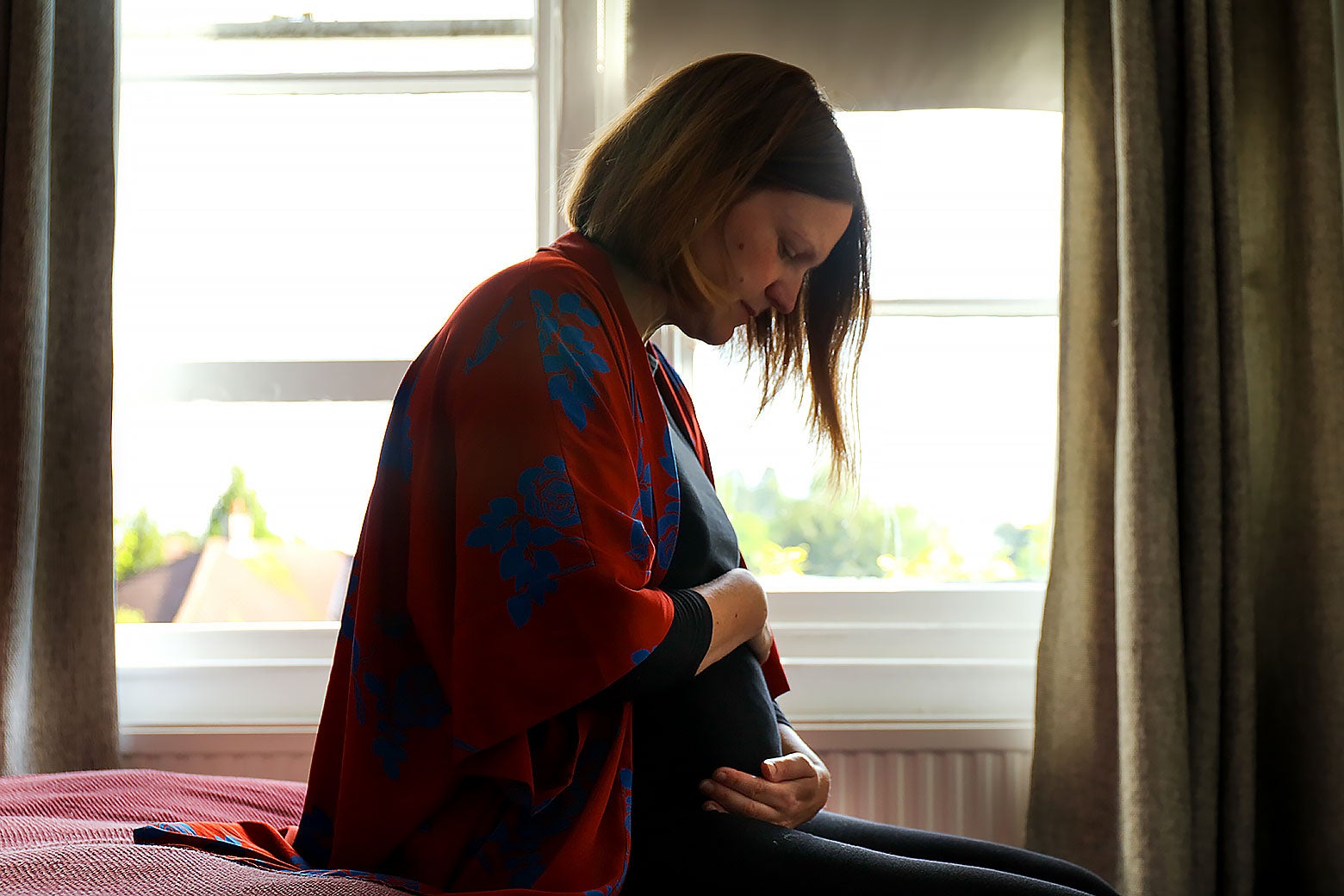
The health information landscape has transformed since my first pregnancy in 2012. Back then, only 9 percent of American adults used Instagram; today 50 percent do, and 37 percent use TikTok. Advice from physicians and public health agencies now competes with influencers and content creators, nearly two-thirds of whom have no listed health credentials. A majority are women, many of whom draw on their experience as parents; this matters because people often seek health information from others whose experiences resemble their own. And although 85 percent of Americans still get health information from healthcare providers, 4 in 10 adults—and more than half of women age 18 to 49—also get it from influencers or podcasters.
At the same time, a justified pushback has grown against the one-size-fits-all and sometimes paternalistic advice public health hands out, especially to pregnant women. Emily Oster’s 2013 book Expecting Better is perhaps its best-known expression. She argued that the case against drinking during pregnancy was paper-thin and patronizing and there was no good evidence that light drinking harms a baby. According to her, one or two drinks a week in the first trimester and then one drink a day thereafter was fine: “Drink like a European adult, not like a fraternity brother.” This advice, as anticipated, received backlash (which Oster defended herself against in Slate), but that didn’t stop it from also receiving a deluge of coverage and being amplified across the internet to this day. I have since wondered and worried about the impact of this and other messages contrary to public health advice, especially against the backdrop of growing skepticism of public health recommendations and the proliferation of questionable health information across social media and from influencers.
The new study found that drinking during pregnancy was more common among women who were older, college educated, and employed; this group was also least likely to binge drink. That demographic profile mirrors the woman to whom Oster’s argument speaks most directly. It resonates in part because pregnant women are routinely handed absolutes with little explanation and expected to comply, so permission to have a little leeway is a welcome relief. There aren’t any studies that assess exposure to that advice and drinking during pregnancy, so we can’t conclude that it is among the reasons drinking during pregnancy has increased. But the overlap is hard to ignore.
Medicine and public health have long communicated like a scold, especially about women’s bodies. But a lenient countermessage framed as female autonomy is no better. It, too, considers only fetal outcomes, reducing the woman to the same thing existing guidance does: a baby incubator. An empowering message isn’t one that recommends the opposite of long-standing guidance. It considers a woman’s own health, not just the baby’s, and communicates risk without shame or a heavy hand.
jfc
yes. that is a section of the article.
Did you comprehend it?
That medical advice messaging shouldn’t be delivered in absolutes and that there’s more involved in getting the public to adhere to medical advice. THAT is the conversation here. HOW do we get women to lessen their drinking while pregnant after it has gone up because of distrust in medical advice.
a little alcohol while pregnant is ok? the absolute “dont drink while pregnant” is the problem? doctors should recommend a little alcohol is ok?
All of your questions are answered in the article :)
🤦♀️
you do very well at completely ignoring the situation and rage baiting through misogyny, whats your secret?
😘
You’ve got the patience of a saint. I’ve blocked breadsmasher because of the way they were talking to you.