

Original organizers, joined by new wave, are demanding the government not undo four decades of progress
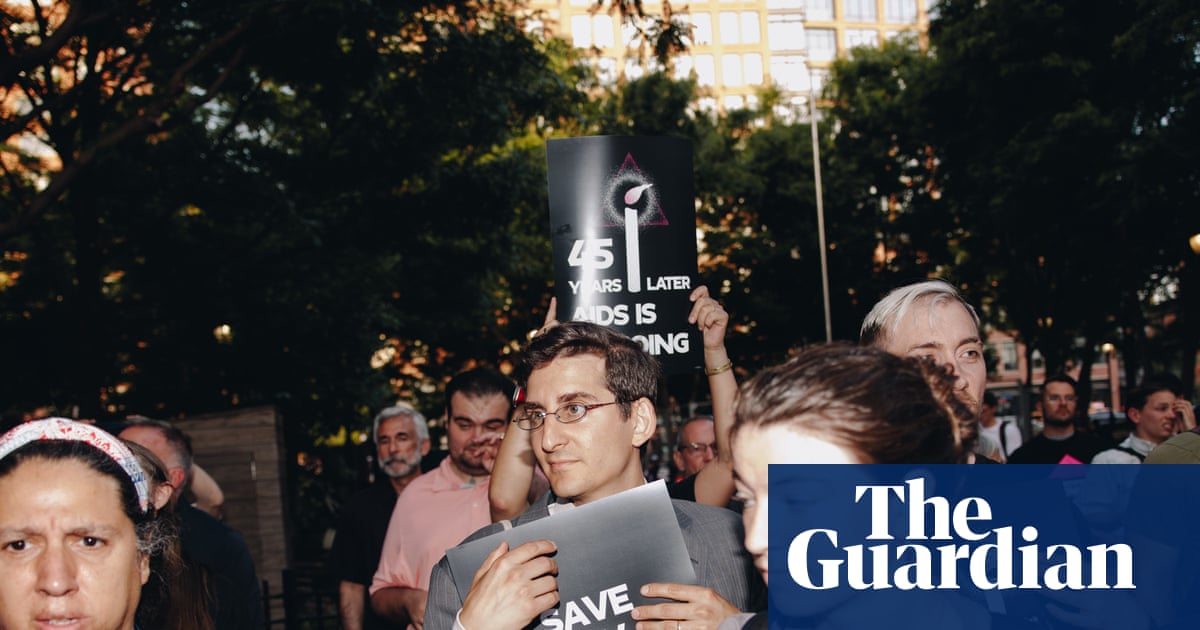
On a warm evening in June, hundreds of people holding candles marched toward the Stonewall Inn in New York City, the birthplace of the US LGBTQ+ rights movement. Once they arrived, they all dropped to the ground – on the sidewalk and in the roadway – and put their backs against the pavement. The Aids rally, marking 45 years since the first reported cases, ended the way many have since the 1980s: with a die-in, dozens of bodies lying still for a long moment of silence.
The Aids crisis has killed more than 700,000 Americans and an estimated 40 million people worldwide since it was first named in 1981. But the marchers at Stonewall earlier this month were not only mourning the past. They came to protest against a wave of federal policy moves to restrict Medicaid, slash international funding and shrink the National Institutes of Health’s research budget. The original generation of HIV and Aids activists, joined by a new wave of organizers, were there to demand that the government not undo four decades of progress with catastrophic funding cuts.