
- cross-posted to:
- [email protected]
- cross-posted to:
- [email protected]
You must log in or register to comment.
If it’s orbiting a star, it’s a planet. If it’s orbiting a planet, it’s a moon. If it’s orbiting nothing, it’s a target.
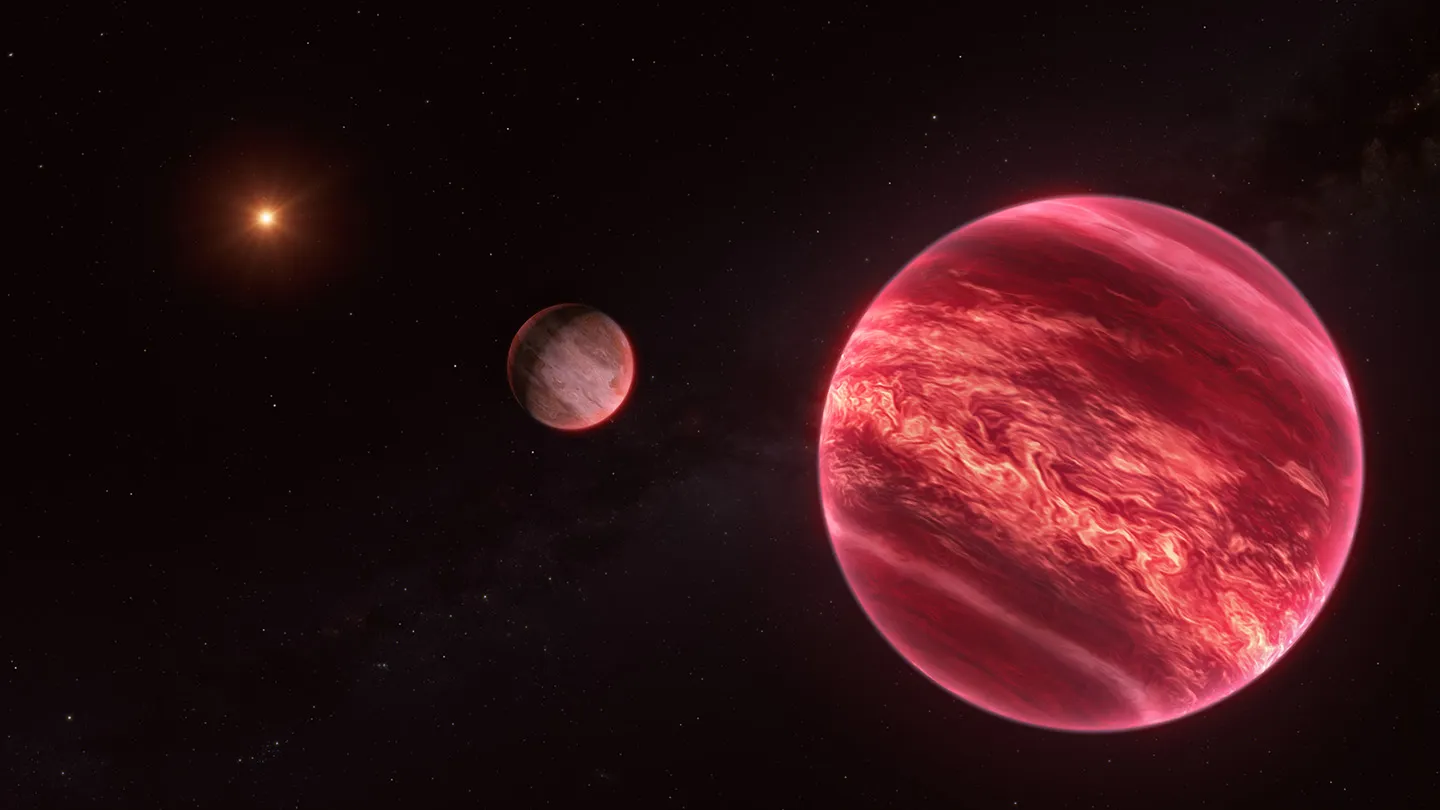
(This thing is a planet. It orbits a star. Doesn’t matter if that star orbits another star. By definition, it’s a planet.)
So what you’re saying is: that’s no moon
A newly discovered cosmic object is not a planet, not a moon — but a third thing we don’t have a name for yet.
To me, this opening sentence summarizes the whole article. We shouldn’t expect to have handy, accurate, convenient labels for everything when we’ve only observed a tiny fraction of our own galactic “neighborhood”. Running into weird stuff is the entire point of exploration, and I love it!
Our classification is pretty straightforward - be big enough to be a sphere, big enough to dominate your orbit, be in orbit around the star
Too small to own the orbit? Dwarf planet
In orbit around a planet? Moon
This one orbits a star, it’s a planet
We can’t even decide if brown dwarfs are stars or gas giants so I say we shelve this debate until we solve that one.
This is a lot of hype to say that a planet, an object which orbits a star, is a planet. Anyone who has been seriously looking at stars and thinking about what makes up the universe has come to the conclusion that the thing that orbits a star (and has all the other criteria of a planet) is a planet, even if the star it’s orbiting also orbits another star.
Likewise, the idea that a moon can have a moon has been discussed. The problem is that the rules for what constitutes a moon make it hard for that to happen so, given the size of the Milky Way, there’s probably a number of examples out there.
We could call objects orbiting moons, moonies!
Well I say we go out there and twat it!
One knee in the happy sacks, it’ll drop like anyone else!
And then there were eight

