

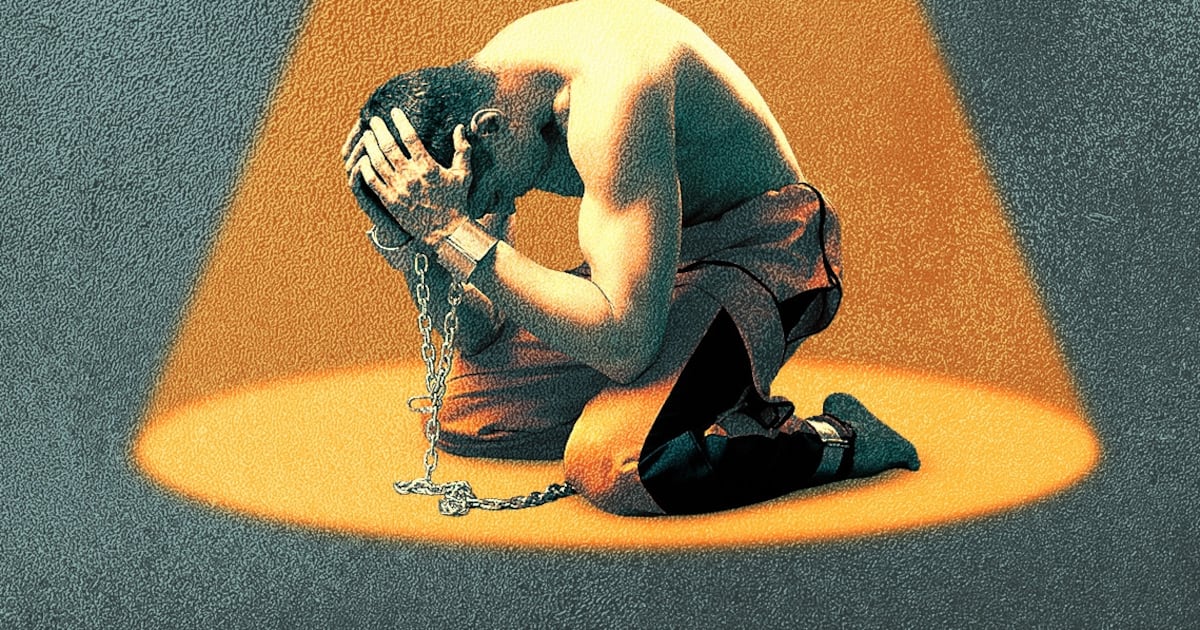
ICE locked suicidal and seriously ill detainees in solitary confinement for four times longer than the U.N.’s torture threshold, new figures reveal.
…
FY2026 detention statistics quietly posted on July 20—the agency’s first release since April 9, ending a three-month blackout that spawned at least three lawsuits—lay bare the Trump administration’s failure to follow international human rights law on solitary confinement, according to an analysis by the Daily Beast’s investigative Substack Punchup
Between 835 and 1,104 people were put in isolation every month this fiscal year, and a GEO Group-run facility topped ICE’s own segregation table every single month, PunchUp’s analysis found.
For the most vulnerable detainees the agency tracks—people with serious mental or medical illness, on hunger strike or on suicide watch—the average unbroken spell in solitary reached 63 days in the winter quarter.
That is more than five times the average of 12 days in early 2022, and more than four times the U.N.’s 15-day threshold for treatment that can amount to torture.
…
At the same time, ICE is refusing almost every asylum parole request. In the 2024 fiscal year, the agency received 7,051 parole requests from detainees who had passed a credible-fear screening and granted 4,671 of them.
This fiscal year, it has received 14—and granted just one.
The 1,393 screened asylum seekers still locked up are waiting ever longer for hearings, the figures reviewed by PunchUp show. The average custody stay for single adults with a positive fear finding has climbed at every half-month reading without exception, from 146.5 days in October to 257.6 days by June 30. In 2024, it hovered around 80.
Of those who are released from ICE jails, 84 percent were let out only to be deported. And 38 current detainees are stateless—people ICE holds even though no other country will take them.
The same dataset shows at least 75,755 people were held on January 15, around 7 percent more than the 70,766 in its last release—the highest figure ever made public.
That included 73,945 in adult facilities, 917 in family staging, and 893 asylum seekers who had already passed their fear screenings. The Department of Homeland Security has been asked to explain the near-5,000 gap.
You must log in or register to comment.