
Summary from elsewhere
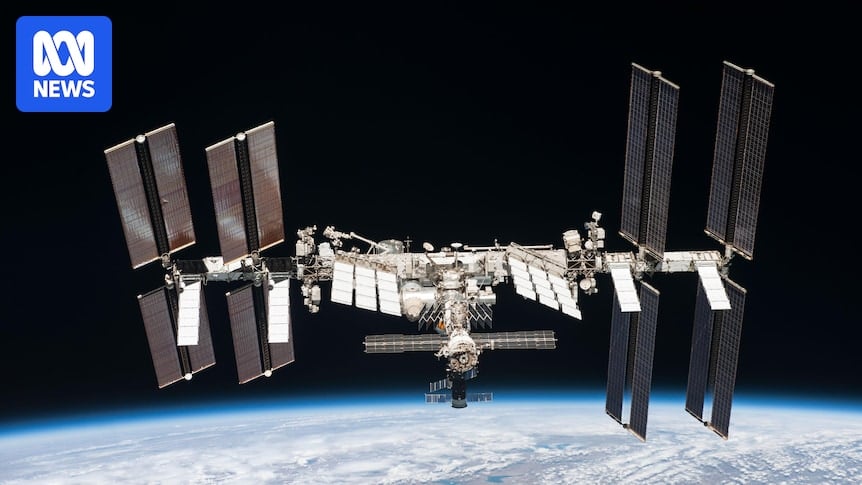
The International Space Station (|SS) has low microbial diversity, which could lead to astronaut health issues, according to a study published in Cell.
Researchers found that the microbial communities resemble those found in sanitized environments like hospitals rather than natural settings.
Co-senior study author Pieter Dorrestein explains that increasing microbial exposure could improve astronaut health during long-term space travel.
The study suggests incorporating natural elements, like soil, into the ISS to enhance microbial diversity and astronaut well-being.
The study in question:
Isn’t that mostly what has been happening? We send humans to do things humans need, and send robots when it’s impractical for humans.
I would argue it’s almost always impractical to send humans.
Even on the ISS? They do real science than can’t be done on earth, and we didn’t have technology to do that science with robots. Maybe we do now, but it’s probably more worthwhile to develop those robots for deeper space activities rather than a dying space station orbiting earth.
I think we do have it now. It’s time to shift.
No, we don’t.
A robot can only do what it is programmed to and the current AIs are well beyond what we would need.