
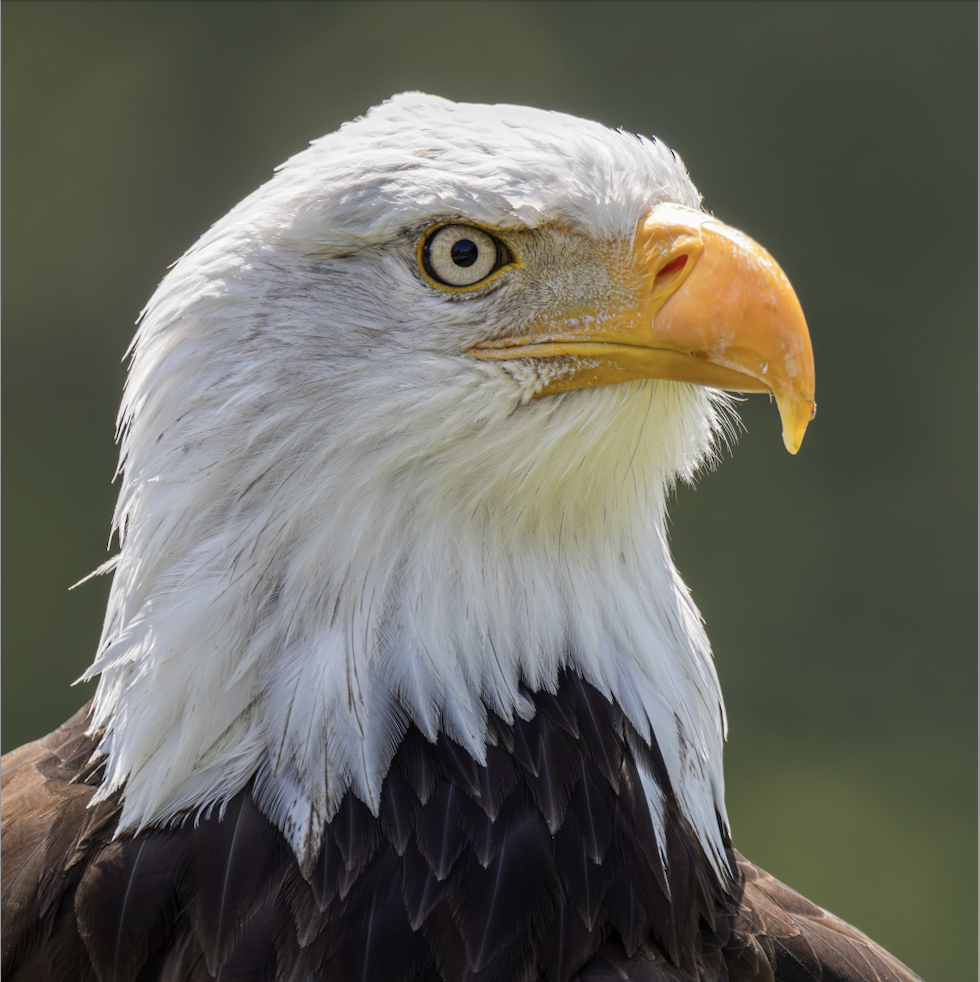

Great Lakes region, USA. March 2026.
Oly E-M1 @ 270mm, f/8, 1/1600s, ISO 250.
Edited in darktable.
Hopefully when things open up a bit more on the river I can find where they’re nesting and get some cool shots of that.
Fun fact: Sandhill cranes are one of the oldest bird species. Some fossils found are 2.5 million years old!


I am looking forward to them!
Last fall I got to meet a Sandhill Crane at a wildlife ed center. Another neat fact about them the worker told me was their back toes have all but disappeared, so they can’t perch in trees like other birds. They roost standing out in the water to stay safe while sleeping.
That is a neat fact. Did you take that photo? It’s so good!
No, the one I saw was behind fencing so you can tell there is a bird in my photos of it, but that’s about it. This is just one I grabbed off google to show the mentioned toe nub.
Additional fact: The herons and cranes are the most intimidating animals to me at the rehab clinic! I’ve only fed the Blue Heron, but they feel gigantic when there is nothing between you and them and you’re in an enclosed space. The rehabbers told me they love to go for the eye balls if they decide to attack! I’ll take my chances with the hawks and owls any day over losing an eye! 🫣. I tossed it a fish and backed right outta there.
Not a bad photo other than the fencing. Thanks for sharing.
I was happy enough with it as a reminder of the experience. Very cool birds. I hear they gather in huge flocks, which must be mind-blowing to see.
I also added a comment about how I find this type of bird the scariest animal I’ve worked with if you didnt see my edit.
Ha, you’re not joking. I took this photo last summer and it’s kinda terrifying, lol.
They’re spears with a large bird attached! 😆
I will say. Some of my favorite birding moments are watching them hunt. They look so cool right before they strike.
I had always thought they just ate mainly fish too. The ed center lady told me the Sandhill is primarily vegetarian, but cranes and herons will snack on snakes, turtles, mice and other small rodents, and even weasels, ducks, and adult rabbits depending on the bird.