Scalping. What is preventing people from buying out the store in bulk and reselling outside the store for a profit.
30% of what? If private grocery stores drop their prices/profits to be competitive, will these municipal stores drop their prices again? I would think a set profit rate for a municipal store would cut out price gouging, but allow private grocery stores to continue operations.
What are actual profit margins that grocery stores in the city are running on? Many articles say 1-3% profits are typical for grocery stores. Is this true for NYC?
Is this expected to a budget expense or a self funded operation after the initial investment?
EDIT: To be clear I want this to succeed. Questioning the government’s implementation should be encouraged
The details aren’t all there yet, but potential options:
scalping - put an upper limit order value or max number of an item in place. You can’t completely remove scalping, but if they can maintain stock, there isn’t a real need to go to a scalper.
30% of what is the current grocery price. If other stores drop their price then I would expect the price differential will drop but the objective will be met then.
Odds are the municipal store won’t compete on every item, but more the essentials. I’d expect it to look more like an Aldi than a store with 60 options. Lower prices should cause higher turnover of perishable items and lower variety would minimize hitting expiration dates. Shrink is where a lot of profit is lost in grocery stores, so it’s a good thing to target. Municipal store should also be able to use some government beuracracy (food stamps, food banks) already in place to have lower overhead.
it should be able to be self funded but realize it will likely start linking together food security programs (food stamps, wic) which would look like it is getting extra gov funding even though the tax burden wouldn’t change.
Other people going to the store doesn’t stop scalpers from clearing the shelves. If they restock overnight, scalpers can and do wait for stores to open just so they can clear them out.
Logic implies that the prices are being compared to other stores.
Imagine this scenario. Private grocery store (PGS) sells bread for $5 a loaf. Municipal grocery store (MGS) sells bread for $3.50. PGS decides to cut their profits margins (citation needed) and sell at a competitive $3.50. MSG sells bread at $2.75 (after all this is 70% of 3.50). This repeats until the PGS goes out of business and the operating cost of MSG is much higher than expected.
Stores are often easily able to put a limit per transaction. I don’t think a scalper is going to go through the till 500 times to clear the store of its 1000 jugs of milk limited to 2 per person.
I don’t think anybody is going to buy wholesale quantities of bootleg food at only slightly better cost than normal. If this one store runs out, there’s all the competitors that still have normal priced whatever it is.
Like this is like an elementary school math problem, this wont make a difference to the store if somebody buys 40 pies.
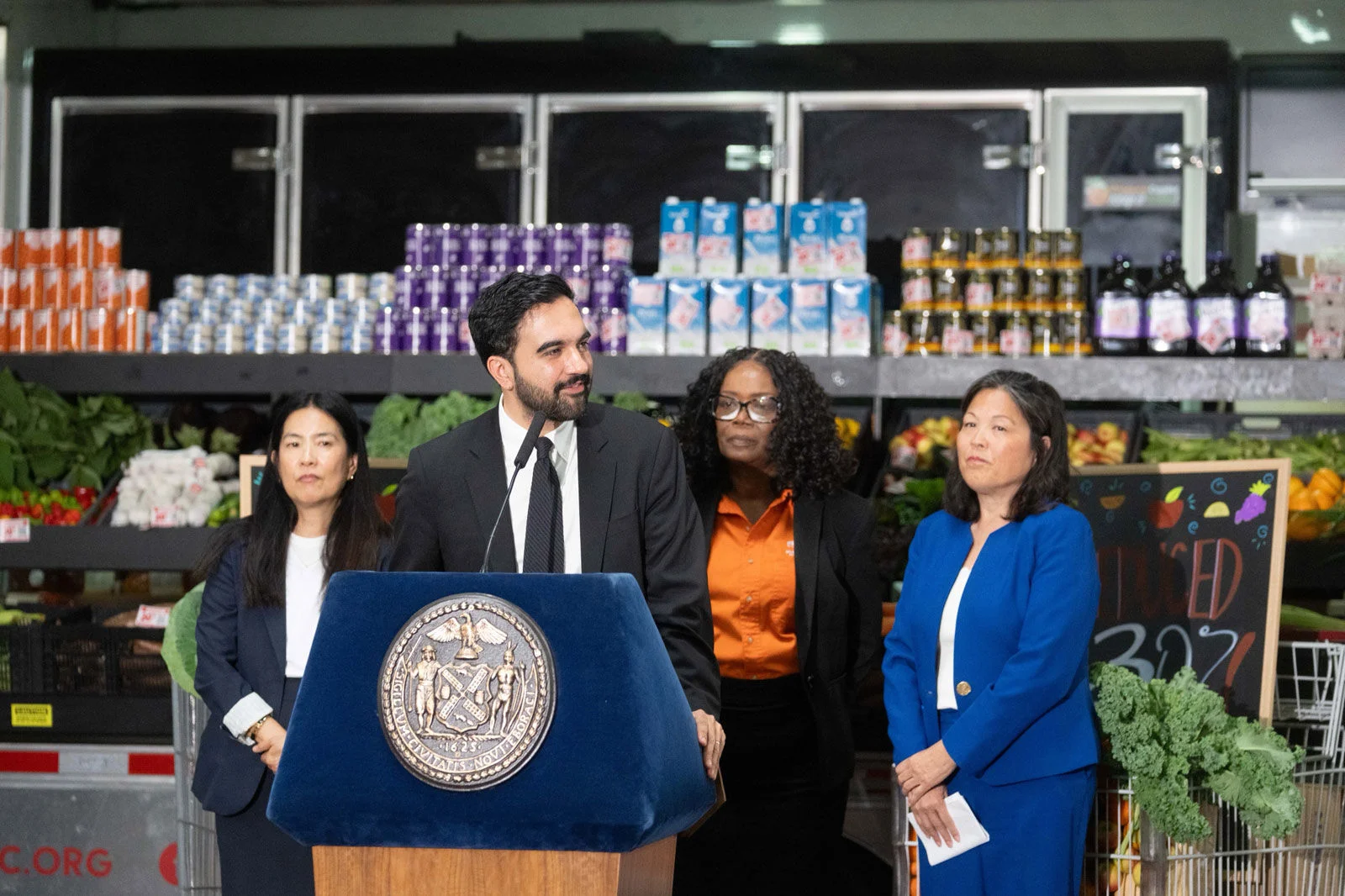
During the press conference a journalist asked the question on scalping and the EDC director said that they would have mechanisms in place to prevent it.
Scalping. What is preventing people from buying out the store in bulk and reselling outside the store for a profit.
You’re going to buy out all the lettuce and expect to move the volume of a grocery store on your lonesome? With all the labor of buying it out of their storefront, repacking, etc? If you want it that bad, go for it. Do you do this now, or something?
You simply underestimate how many people will be lining up to buy bootleg lettuce out of the back of a van so that they can save 10 cents off the for-profit store price while not having to suffer the indignity of going to the commie store. Only have to move a few tons a day to make a tidy profit, it’s easy money!


Concerns with this model.
EDIT: To be clear I want this to succeed. Questioning the government’s implementation should be encouraged
The details aren’t all there yet, but potential options:
Others can just go to the store.
One assumes these stores are not trying to generate profit. Logic implies that the prices are being compared to other stores.
Your other questions don’t interest me enough to look further, but I’m sure someone will.
Other people going to the store doesn’t stop scalpers from clearing the shelves. If they restock overnight, scalpers can and do wait for stores to open just so they can clear them out.
Imagine this scenario. Private grocery store (PGS) sells bread for $5 a loaf. Municipal grocery store (MGS) sells bread for $3.50. PGS decides to cut their profits margins (citation needed) and sell at a competitive $3.50. MSG sells bread at $2.75 (after all this is 70% of 3.50). This repeats until the PGS goes out of business and the operating cost of MSG is much higher than expected.
Stores are often easily able to put a limit per transaction. I don’t think a scalper is going to go through the till 500 times to clear the store of its 1000 jugs of milk limited to 2 per person.
I don’t think anybody is going to buy wholesale quantities of bootleg food at only slightly better cost than normal. If this one store runs out, there’s all the competitors that still have normal priced whatever it is.
Like this is like an elementary school math problem, this wont make a difference to the store if somebody buys 40 pies.
40 pies? That’s as many as four tens. And that’s terrible.
During the press conference a journalist asked the question on scalping and the EDC director said that they would have mechanisms in place to prevent it.
You’re going to buy out all the lettuce and expect to move the volume of a grocery store on your lonesome? With all the labor of buying it out of their storefront, repacking, etc? If you want it that bad, go for it. Do you do this now, or something?
You simply underestimate how many people will be lining up to buy bootleg lettuce out of the back of a van so that they can save 10 cents off the for-profit store price while not having to suffer the indignity of going to the commie store. Only have to move a few tons a day to make a tidy profit, it’s easy money!