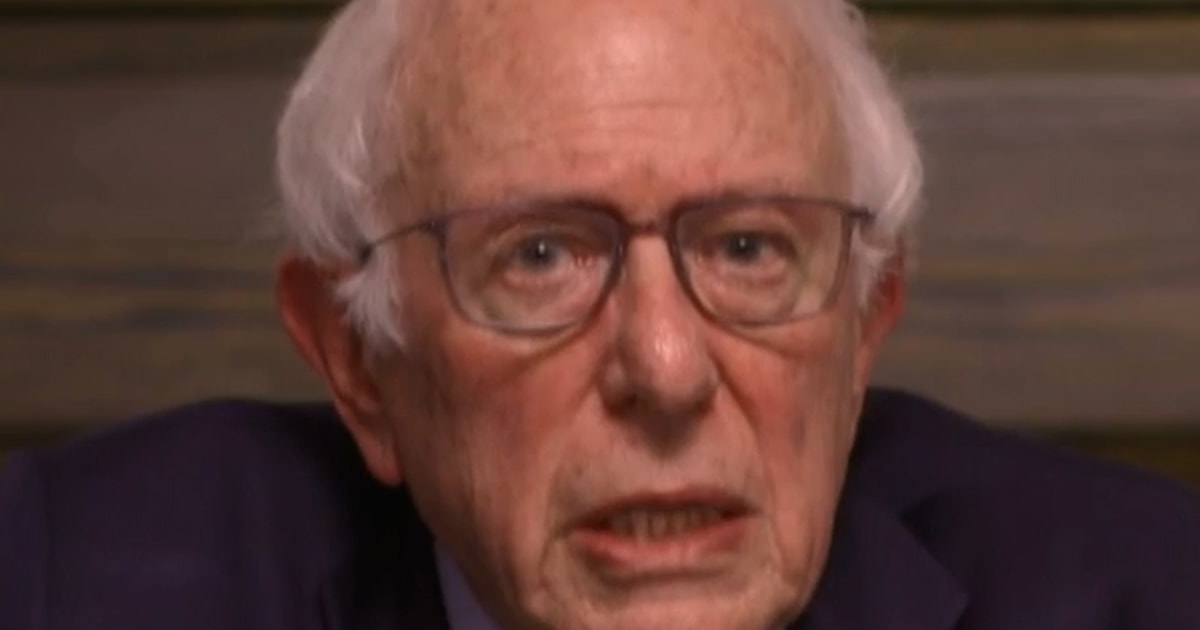
Sen. Bernie Sanders, I-Vt., said in an interview with NBC News that he will encourage progressive voters to still back Democrats on the ticket in November even if moderates are victorious in the primaries.
The fact remains that if you think voting is worthwhile for any reason (which we’re assuming for this conversation & I feel it is) then you need to organize and strategize with like minded individuals. You can freely choose where and when to do that, getting a consensus on who should run and when. But you can’t choose the system you’re running in or organize on the scale of tens of millions of people as a minority party. At the end of the day you still have to play around Duverger’s law and the election laws in your areas.
Let’s examine the real world USA voting process from the perspective of a theoretical group of like minded voters (we’ll call them the LMV) who’s goal is to quickly fill as many seats as possible with qualified, anti-fascist candidates. You can change their imagined tent pole tenets to be as wide or as narrow as you want so long as they want it done broadly and aggressively.
Unless the LMV are authoritarian and anti-democratic, the goal of every step of the voting pipeline should be building mass consensus on the best candidates [Plural! More on this later]. From candidate nomination to campaign platform building to debates to primary elections to general elections.
1.i. Looking for the best candidates in our tent automatically excludes the entire Republican ticket. Any supportable candidates in the pool, right now, are on the Democratic ticket
2.i. Unless you have the party strength to fully fill an entire ticket with great candidates, it forces the general population to choose between your sparse LMV candidate pool and potentially good candidates running on the two party ticket
USA elections are a very tall vertical slice. Your ballot will have city mayors, county clerks, state governers, federal congressmen and (if efforts like the National Popular Vote Compact work) national presidential votes.
Conclusion A: From 1 + 2 + 3 it follows that a small collaboration of people looking to fill all seats with the best viable candidates while they grow without national sway/resources, ipso facto, should not be organizing as a formal 3rd party. Even with local or state success, there is a hard limit on how much success they can have until they hit a critical mass. ∴ the LMV must work within the Democratic party
Widespread political disinterest, apathy and forced disengagement is baked into the system by design. It best serves the interests of the duopoly to keep the general population so uninformed, busy, or distracted that they are effectively (or literally) disenfranchised. They want to select their voters and maintain their power by taking the entire spotlight of election seasons.
4.i. The system means voters don’t have a deep understanding of who is/isn’t on the ballot and who is paying for their campaign. They are unaware of anything but surface-level political jockeying. Beyond that, they don’t have the connections or the time to fact check every attack ad or candidate resume.
The political situation has gotten so dire that both sides of duopoly are clinging to their core by galvanizing their base and running solely against the opposition. Every race is couched in stopping the radical leftists or being not Trump. Neither side has a coherent platform, as evidenced by the MAGA 180° spins on war, tariffs, and national debt; the Democrat’s flip flop voting and weak opposition.
5.i. The mutual suppression leads to an ever smaller but more zealous and loyal voter base. Remember that changing policy, leadership or candidates is a non-option for the people steering both parties. They must focus all resources and narratives on hardening their base or the decay of their party will quickly be terminal. Unfortunately for us, they have the money and connections to do that
Since we’ve now established the LMV is competing as a Democrat bloc, you want your candidates to either lose early or win long. The tiny amount of campaign resources the LMV has means they must pick their battles.
6.i. On average, 1.i tells us that the LMV takeover will eventually run against decent or comparable candidates. The party leadership will sluggishly and daintily endorse compromise candidates to co-opt LMV momentum. That does not matter. The goal is control the elected seats, not control the fading party. Old guard leadership caving to progressive momentum only weakens their position.
To fight LMV insurgency, the unpopular Democrat leadership is put into conflict. They must drive their low turnout just enough to win their general elections but not fuel the populist progressive platform. They say “vote blue no matter who” but they really mean “vote blue if you’re hearing this and are one of demographics we want enfranchised”
Conclusion B: From 4 + 5.i we know that there is a certain portion of the population who will never risk anything but a Democrat vote in the general election, regardless of what the odds are or if they would spoil a good candidate. Add on 6.i + 7 and it becomes obvious that a very large blue turnout will help the insurgent progressive bloc. Even with the political illiteracy of 4.i, any populist platforms will naturally steer the voter to the progressive LMV bloc because the decaying party leaders are fundamentally opposed to them. It may not win every seat every time but the strategy is opportunist and will prevail in the long term.
∴ Aggregated over multiple elections and as a message to the average voting-eligible citizen: “vote blue no matter who” is a strategy that only helps progressives
Q.E.D.
…In case you haven’t seen the parallels, our LMV cohort is using the same strategy that is bringing the DSA success. If you support DSA and DSA-adjacent candidates as you’ve said in other comments, I hope you see their current positioning and how propogating non strategic voting hinders their efforts.
Obviously there are internal DSA conflicts over long term strategy (dirty break vs clean break) and this isn’t an eternal truth but I’ve yet to see any argument that takes an honest look at where the progressive bloc is right now, in 2026, and coherently argues for anything but more Democrat votes.
You say you shouldn’t ever vote for Fetterman but you can look at his platform and voting record and still say he made a better senator than Dr. Oz. In the final ballot we were faced with a pro-Isreal, pro-war fascist and an anti-vax, abortion banning, climate denying, pro-Isreal, pro-war fascist. Regardless of how successful the administration has been at forcing those issues, Fetterman was still the right choice.
The real failure was in lacking a better candidate in Fetterman’s primary, in which he was still the best candidate. If the other two had won, you’d be looking at a pro-Isreal, pro-war, anti-labor fascist


The fact remains that if you think voting is worthwhile for any reason (which we’re assuming for this conversation & I feel it is) then you need to organize and strategize with like minded individuals. You can freely choose where and when to do that, getting a consensus on who should run and when. But you can’t choose the system you’re running in or organize on the scale of tens of millions of people as a minority party. At the end of the day you still have to play around Duverger’s law and the election laws in your areas.
Let’s examine the real world USA voting process from the perspective of a theoretical group of like minded voters (we’ll call them the LMV) who’s goal is to quickly fill as many seats as possible with qualified, anti-fascist candidates. You can change their imagined tent pole tenets to be as wide or as narrow as you want so long as they want it done broadly and aggressively.
Unless the LMV are authoritarian and anti-democratic, the goal of every step of the voting pipeline should be building mass consensus on the best candidates [Plural! More on this later]. From candidate nomination to campaign platform building to debates to primary elections to general elections.
1.i. Looking for the best candidates in our tent automatically excludes the entire Republican ticket. Any supportable candidates in the pool, right now, are on the Democratic ticket
The large majority of US states have something other than a Top-N primary. In 45 states choosing to run an LMV 3rd party primary means automatically excluding yourself from the popular input of the 67%+ of the population who will end up voting in the general election.
2.i. Unless you have the party strength to fully fill an entire ticket with great candidates, it forces the general population to choose between your sparse LMV candidate pool and potentially good candidates running on the two party ticket
USA elections are a very tall vertical slice. Your ballot will have city mayors, county clerks, state governers, federal congressmen and (if efforts like the National Popular Vote Compact work) national presidential votes.
Conclusion A: From 1 + 2 + 3 it follows that a small collaboration of people looking to fill all seats with the best viable candidates while they grow without national sway/resources, ipso facto, should not be organizing as a formal 3rd party. Even with local or state success, there is a hard limit on how much success they can have until they hit a critical mass. ∴ the LMV must work within the Democratic party
Widespread political disinterest, apathy and forced disengagement is baked into the system by design. It best serves the interests of the duopoly to keep the general population so uninformed, busy, or distracted that they are effectively (or literally) disenfranchised. They want to select their voters and maintain their power by taking the entire spotlight of election seasons.
4.i. The system means voters don’t have a deep understanding of who is/isn’t on the ballot and who is paying for their campaign. They are unaware of anything but surface-level political jockeying. Beyond that, they don’t have the connections or the time to fact check every attack ad or candidate resume.
The political situation has gotten so dire that both sides of duopoly are clinging to their core by galvanizing their base and running solely against the opposition. Every race is couched in stopping the radical leftists or being not Trump. Neither side has a coherent platform, as evidenced by the MAGA 180° spins on war, tariffs, and national debt; the Democrat’s flip flop voting and weak opposition.
5.i. The mutual suppression leads to an ever smaller but more zealous and loyal voter base. Remember that changing policy, leadership or candidates is a non-option for the people steering both parties. They must focus all resources and narratives on hardening their base or the decay of their party will quickly be terminal. Unfortunately for us, they have the money and connections to do that
Since we’ve now established the LMV is competing as a Democrat bloc, you want your candidates to either lose early or win long. The tiny amount of campaign resources the LMV has means they must pick their battles.
6.i. On average, 1.i tells us that the LMV takeover will eventually run against decent or comparable candidates. The party leadership will sluggishly and daintily endorse compromise candidates to co-opt LMV momentum. That does not matter. The goal is control the elected seats, not control the fading party. Old guard leadership caving to progressive momentum only weakens their position.
To fight LMV insurgency, the unpopular Democrat leadership is put into conflict. They must drive their low turnout just enough to win their general elections but not fuel the populist progressive platform. They say “vote blue no matter who” but they really mean “vote blue if you’re hearing this and are one of demographics we want enfranchised”
Conclusion B: From 4 + 5.i we know that there is a certain portion of the population who will never risk anything but a Democrat vote in the general election, regardless of what the odds are or if they would spoil a good candidate. Add on 6.i + 7 and it becomes obvious that a very large blue turnout will help the insurgent progressive bloc. Even with the political illiteracy of 4.i, any populist platforms will naturally steer the voter to the progressive LMV bloc because the decaying party leaders are fundamentally opposed to them. It may not win every seat every time but the strategy is opportunist and will prevail in the long term.
∴ Aggregated over multiple elections and as a message to the average voting-eligible citizen: “vote blue no matter who” is a strategy that only helps progressives
Q.E.D.
…In case you haven’t seen the parallels, our LMV cohort is using the same strategy that is bringing the DSA success. If you support DSA and DSA-adjacent candidates as you’ve said in other comments, I hope you see their current positioning and how propogating non strategic voting hinders their efforts.
Obviously there are internal DSA conflicts over long term strategy (dirty break vs clean break) and this isn’t an eternal truth but I’ve yet to see any argument that takes an honest look at where the progressive bloc is right now, in 2026, and coherently argues for anything but more Democrat votes.
You say you shouldn’t ever vote for Fetterman but you can look at his platform and voting record and still say he made a better senator than Dr. Oz. In the final ballot we were faced with a pro-Isreal, pro-war fascist and an anti-vax, abortion banning, climate denying, pro-Isreal, pro-war fascist. Regardless of how successful the administration has been at forcing those issues, Fetterman was still the right choice.
The real failure was in lacking a better candidate in Fetterman’s primary, in which he was still the best candidate. If the other two had won, you’d be looking at a pro-Isreal, pro-war, anti-labor fascist