

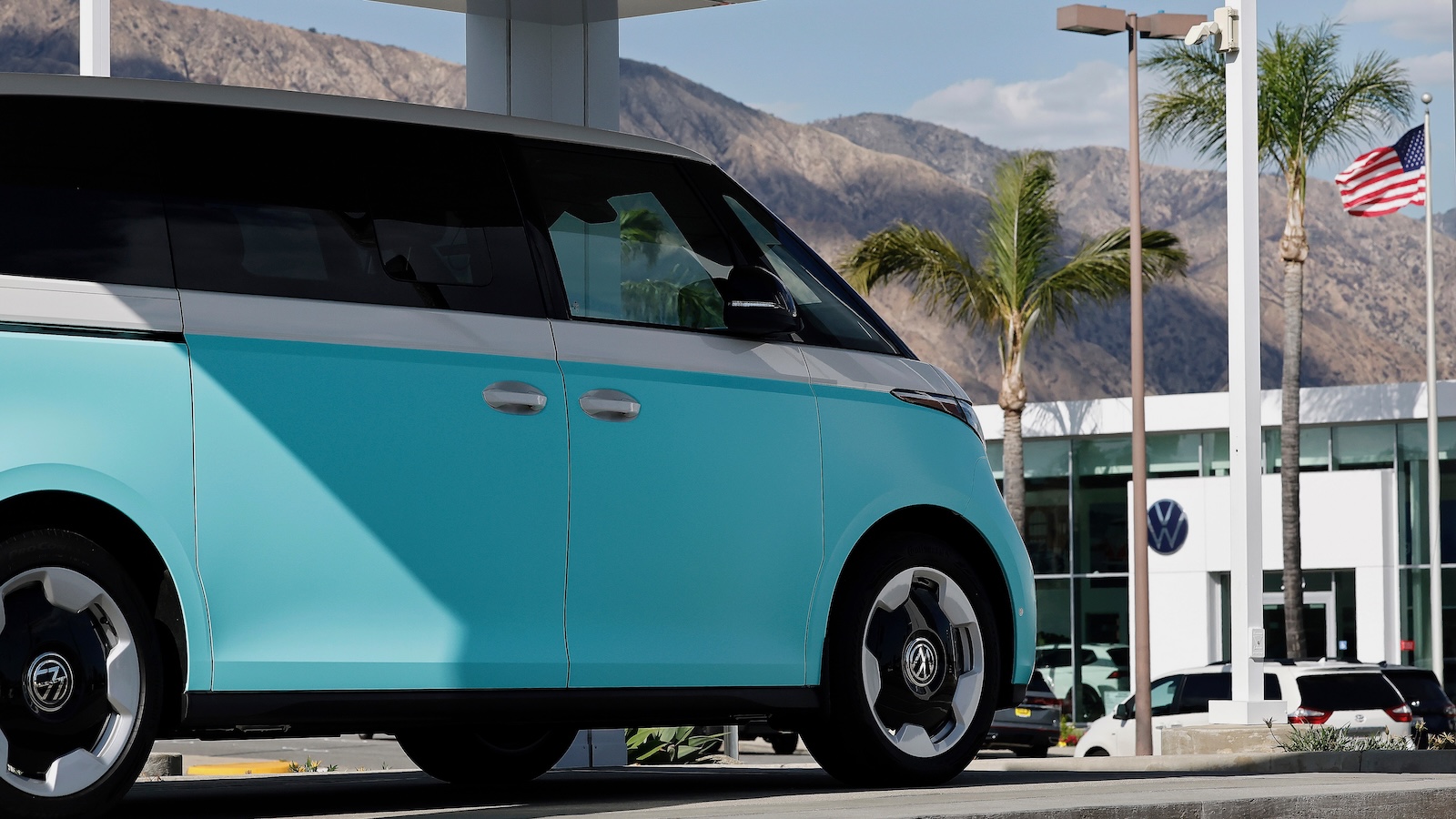
The new research finds that in order to repay the carbon debt of making a new EV, it must be driven 4,400 miles if it’s a car and 6,700 miles each year if it’s a truck. That’s already well below the 12,500 miles the average driver travels in a year, and the benefits to making the switch are likely to grow.
As the United States increasingly relies on renewables, for example, charging an EV becomes even more environmentally appealing. Campbell and his co-author also point to improvements in battery recycling as a way of reducing the emissions involved with making an electric car.
One hole in this latest study is that it doesn’t consider the cost of going electric. While previous research has shown that EVs come with higher upfront costs but lower operating expenses, it’s a thread that Campbell hopes economists pull on. He would also like to see someone better account for the emissions generated while extracting oil and getting gasoline to the pump, rather than simply the burning. But, for now, he believes the study sends a clear message.
Good ol case of financing making everything needlessly expensive. EVs should be coming out at 5k, not 5 times that
PPPS: AU $24,000 is about US $17,000 at current exchange rate.
I think my point still stands. You’re paying and being paid in the same currency so I assume gathering 24k of each takes the same effort