
Top 10 most-sighted butterflies in 2025’s Big Butterfly Count – in pictures
The results of Butterfly Conservation’s Big Butterfly Count are in, and while the numbers are a vast improvement on 2024’s record lows, the charity has warned that urgent measures are still needed to reverse long-term decline.
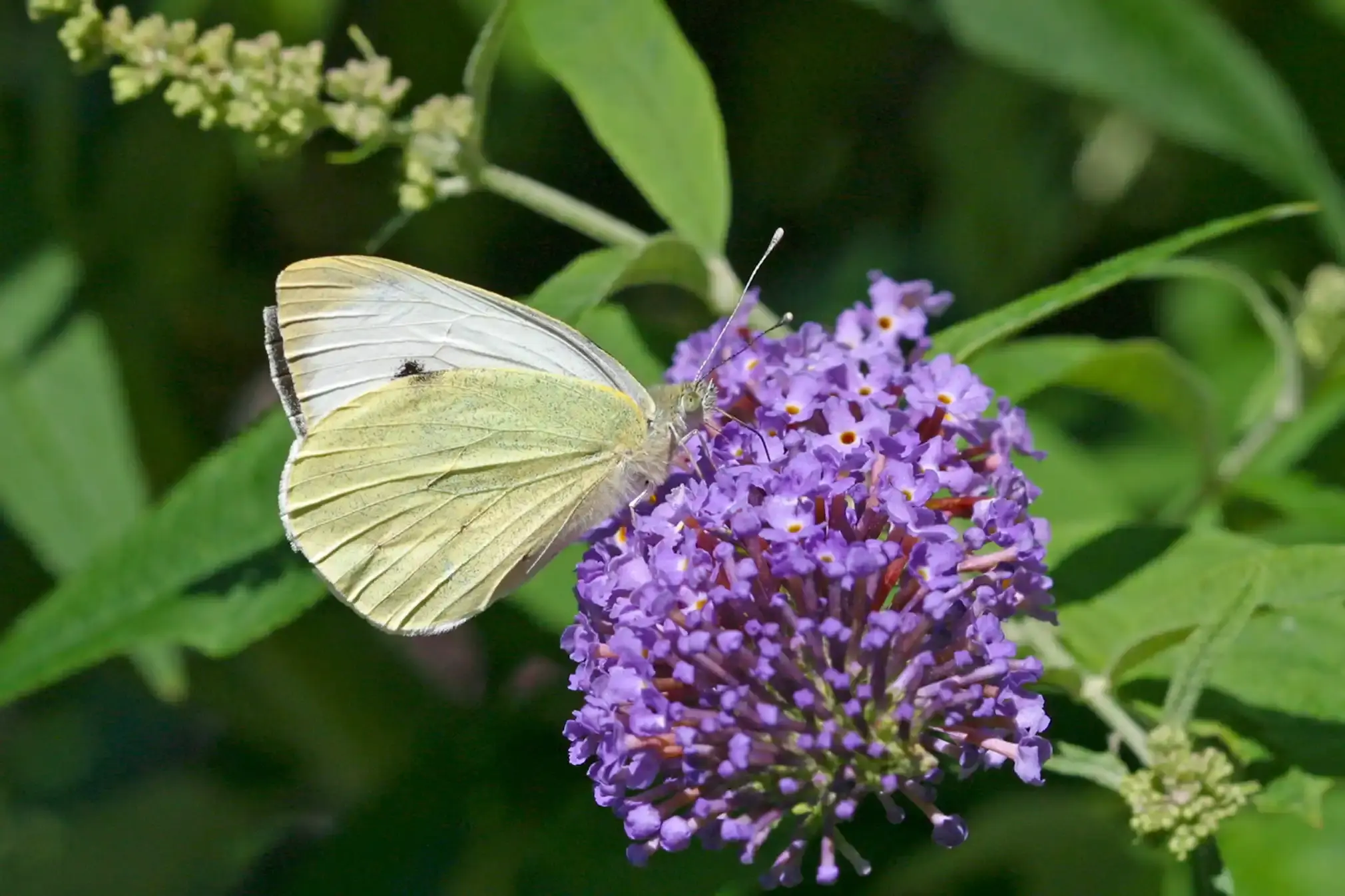
- Large white: 396,510 sightings
Photograph: Keith Warmington/Butterfly Conservation
@photography
2/
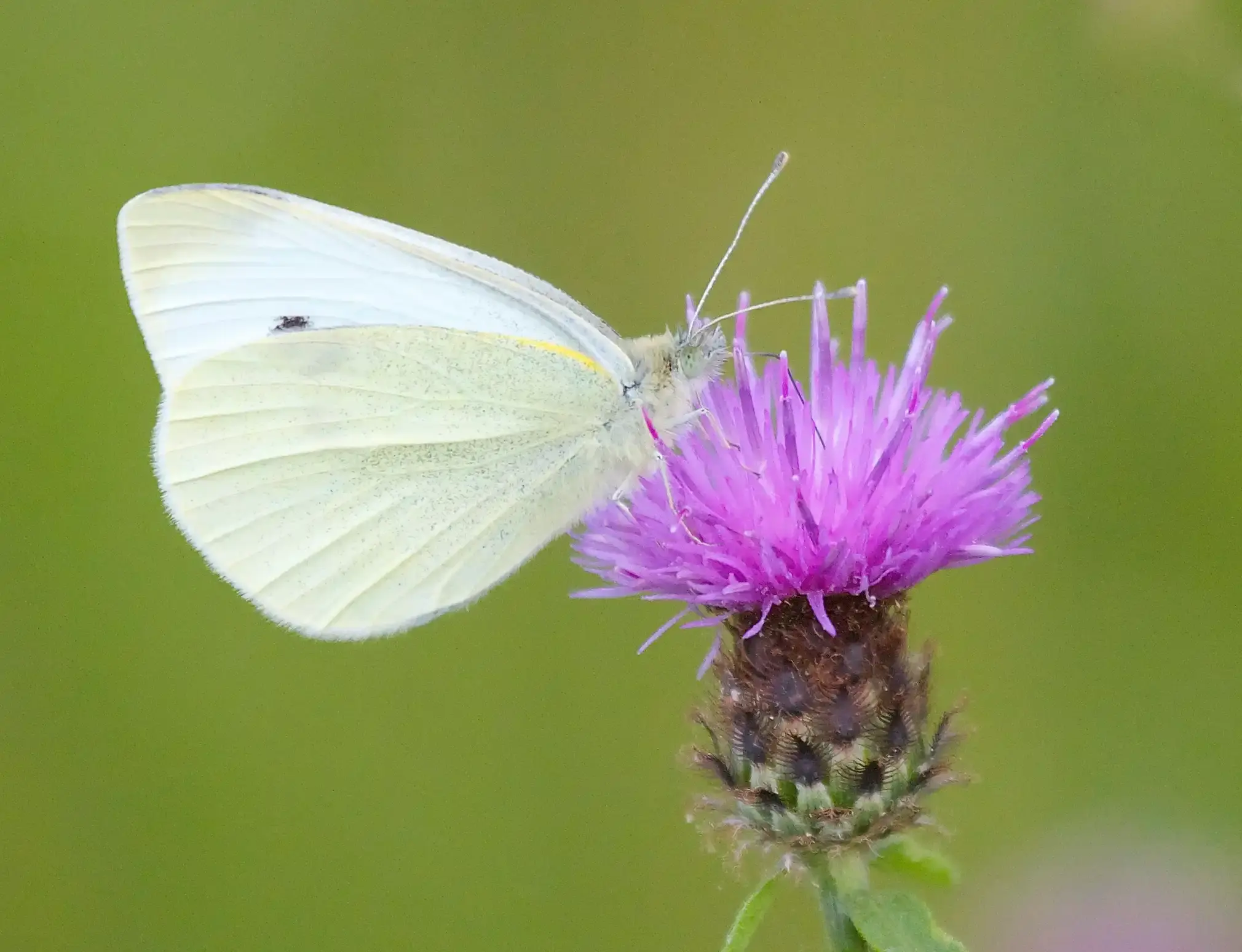
2. Small white: 318,762 sightings
Small whites were the second most sighted butterflies in the count, and like the large whites, this year also saw their highest ever recorded number of sightings, up more than double from last year. Small whites are part of the same family of butterflies as the large white.Photograph: Butterfly Conservation
@photography
3/
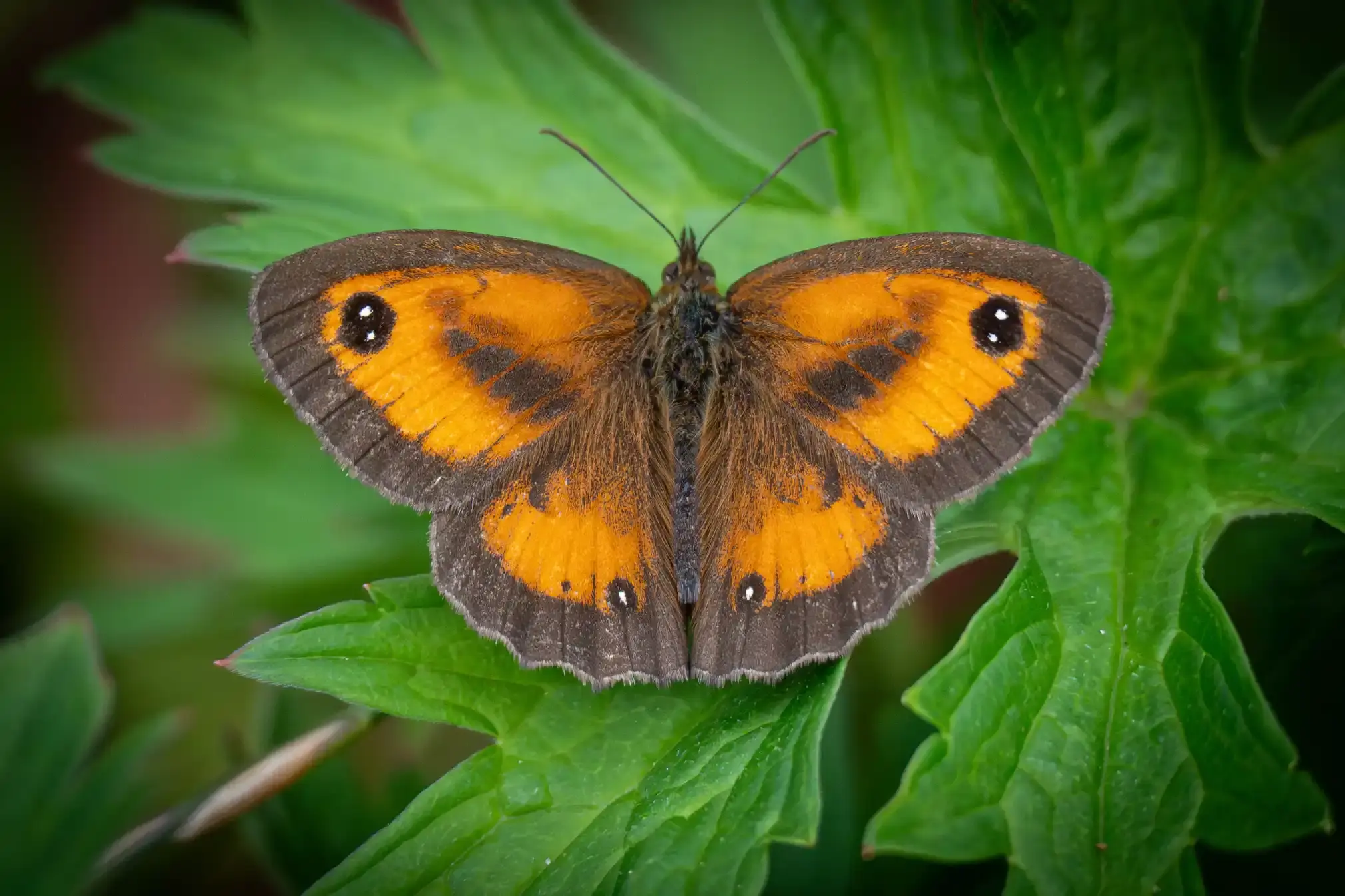
3. Gatekeeper: 236,425 sightingsGatekeepers took the number one spot in the count last year. While the number of Gatekeepers spotted this year has remained similar to last year, the population has suffered a decline of around a quarter over the past 15 years. Gatekeepers are so named as they are often spotted around gates and hedgerows where there is an abundance of flowers.
Photograph: William Cave/Guardian Community
@photography
4/
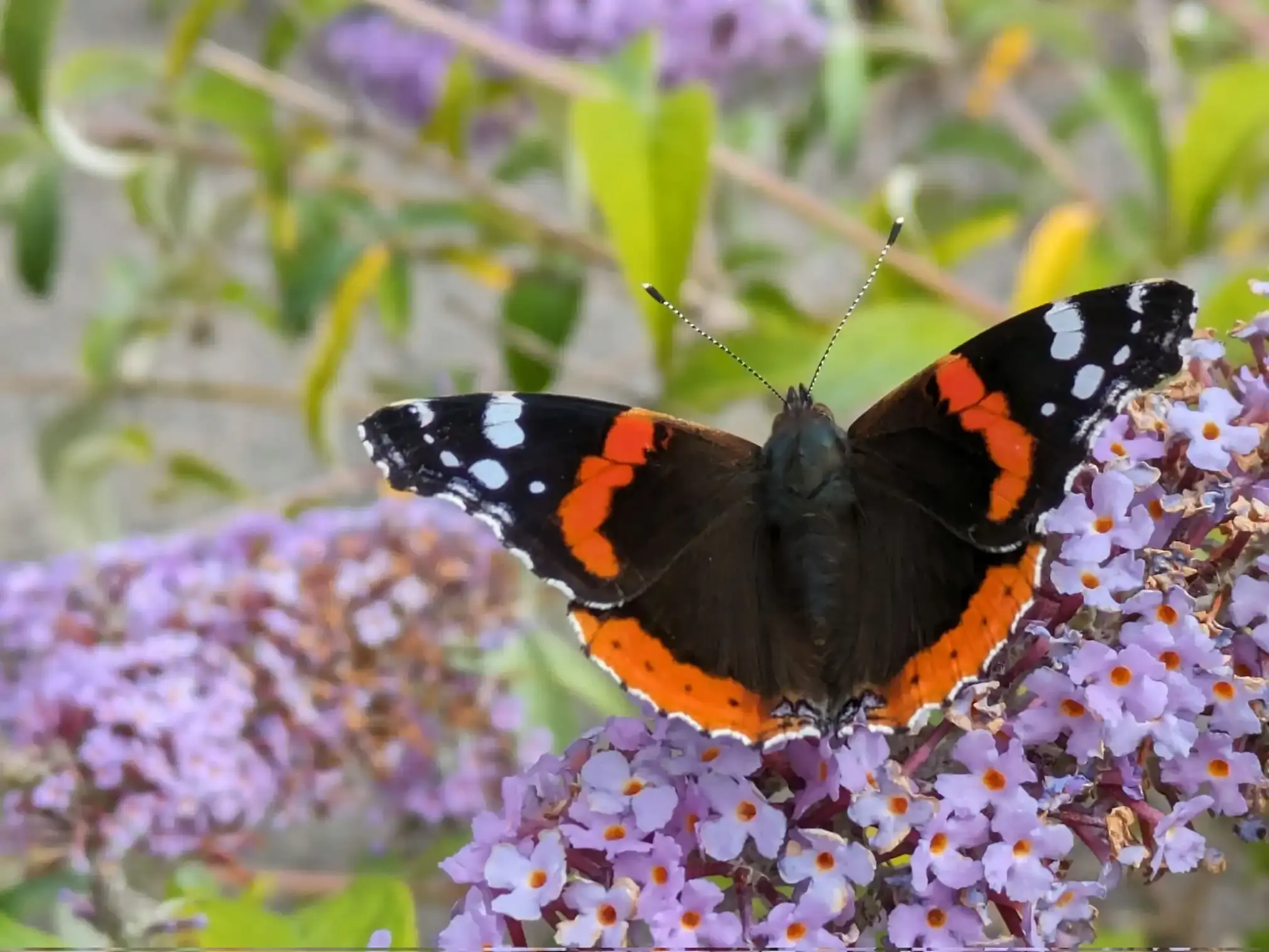
4. Red admiral: 166,289 sightings.Red admirals have fared among the best in the count with a steady year-on-year increase of sightings reported, and a 52% increase in their numbers over the past 15 years. This is probably due to global heating meaning they can delay their winter migration to warmer regions in southern Europe and north Africa, and can sometimes even overwinter in the UK.
Photograph: Butterfly Conservation
@photography
5/
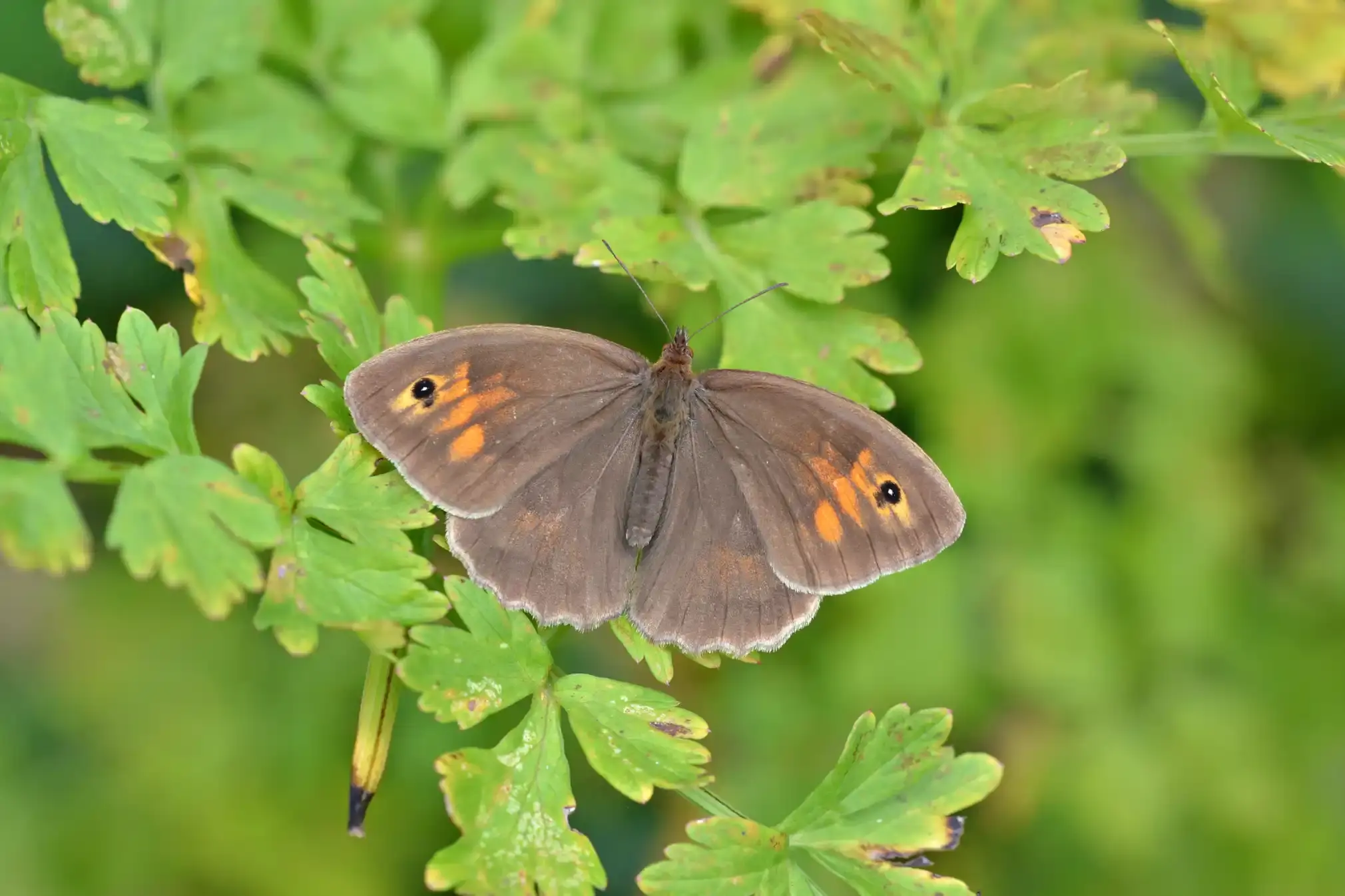
5. Meadow brown: 133,025 sightings.The usually abundant meadow brown had its fourth-worst result on record, possibly because weather conditions meant it was on the wing earlier than usual and some butterflies had finished flying by the time the count began on 18 July.
Photograph: Butterfly Conservation
@photography
6/
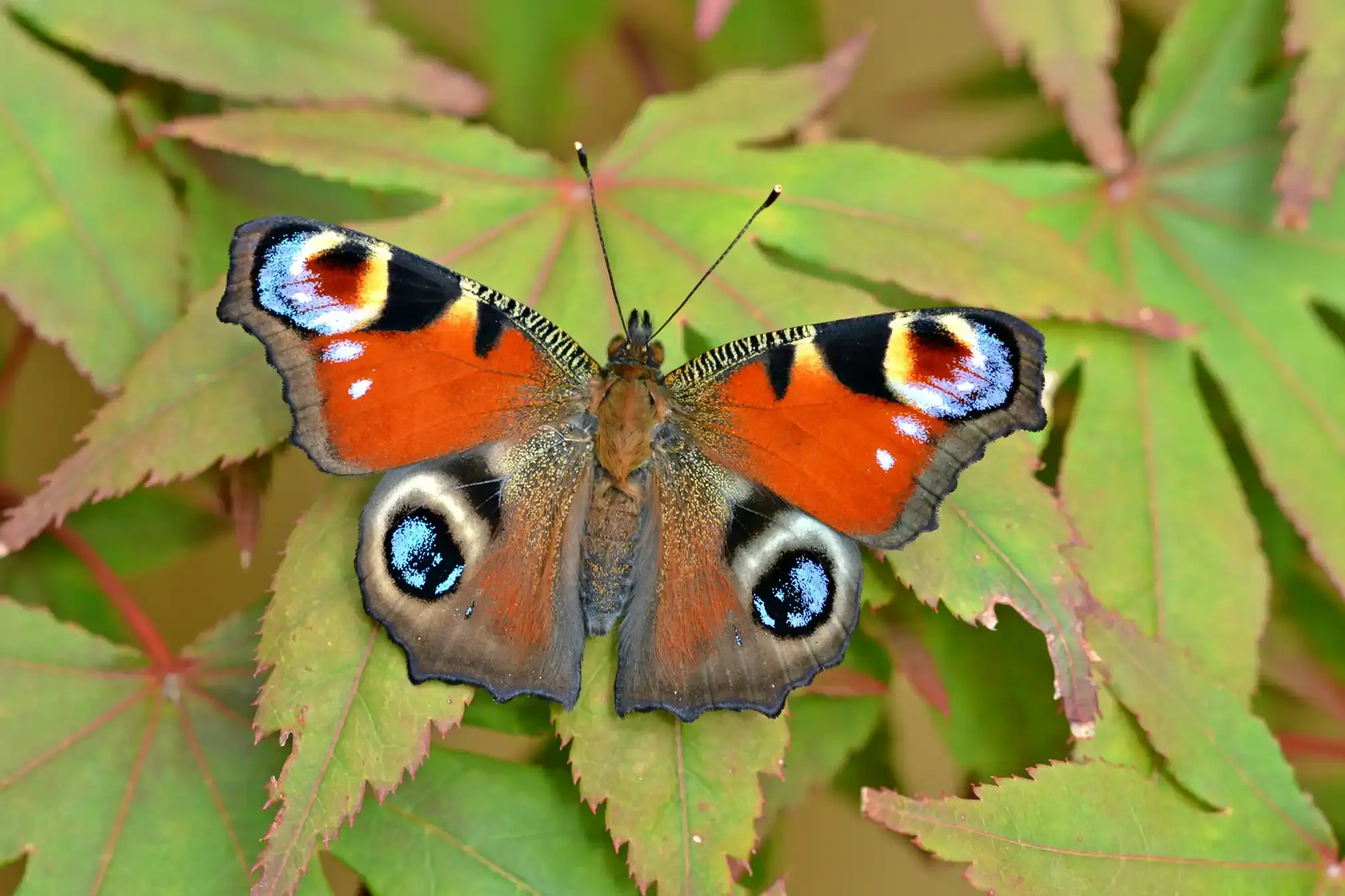
6. Peacock: 96,155 sightings.The Peacock is named for the distinctive topside of its wings which mimic eyes to startle and confuse predators while its underside provides camouflage blending in with dead leaves. Numbers of Peacock sightings have increased by more than double compared with last year.
Photograph: Butterfly Conservation
@photography
7/
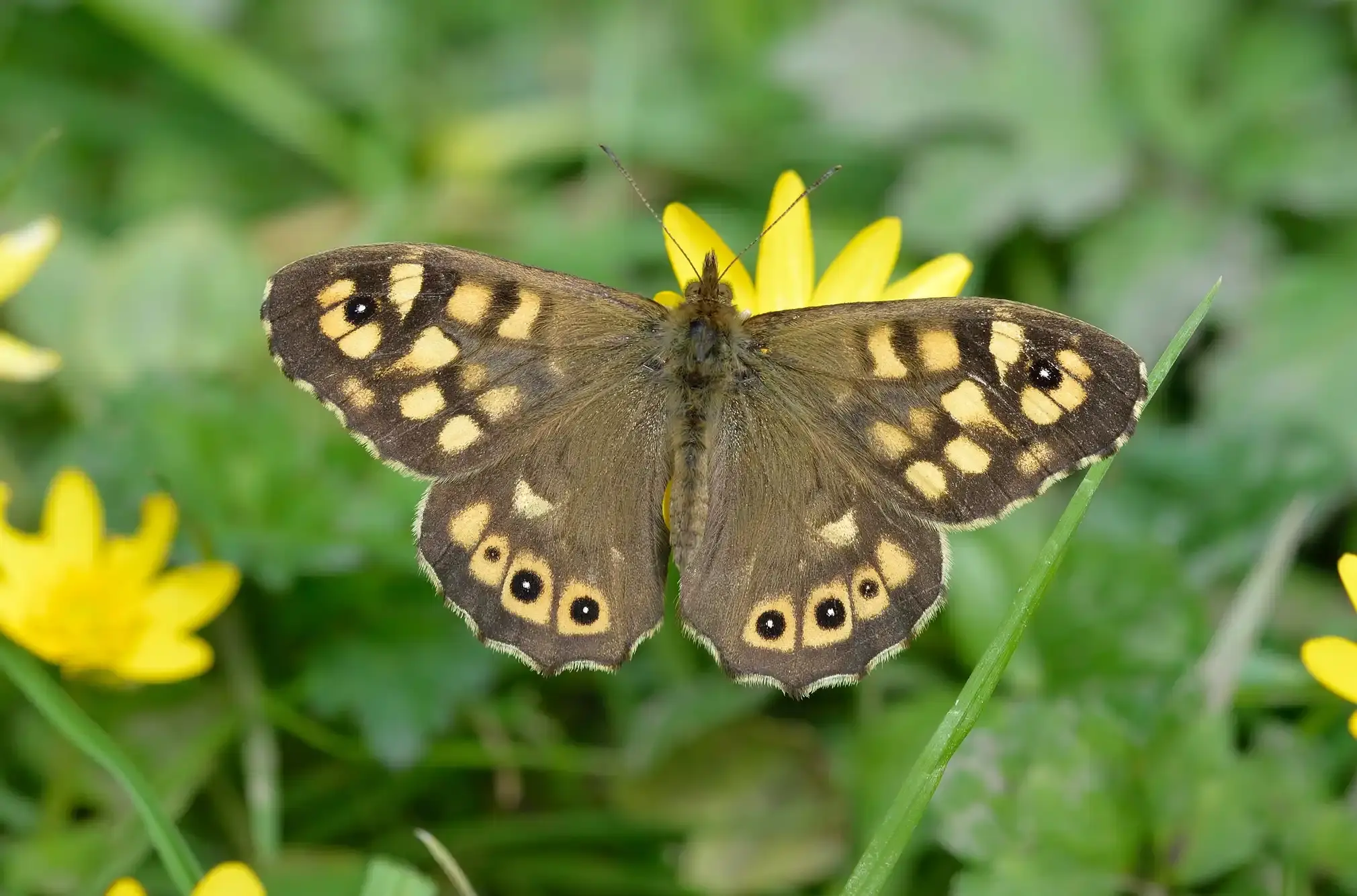
7. Speckled wood: 53,423 sightings.The number of speckled wood butterflies, with their distinctive yellow specks, has seen a similar number of sightings compared with last year, but has seen a decrease in the overall population by 35% in the past 15 years. Unlike most other butterflies, the speckled wood does not feed on flowers but on honeydew from trees.
Photograph: Butterfly Conservation
@photography
8/
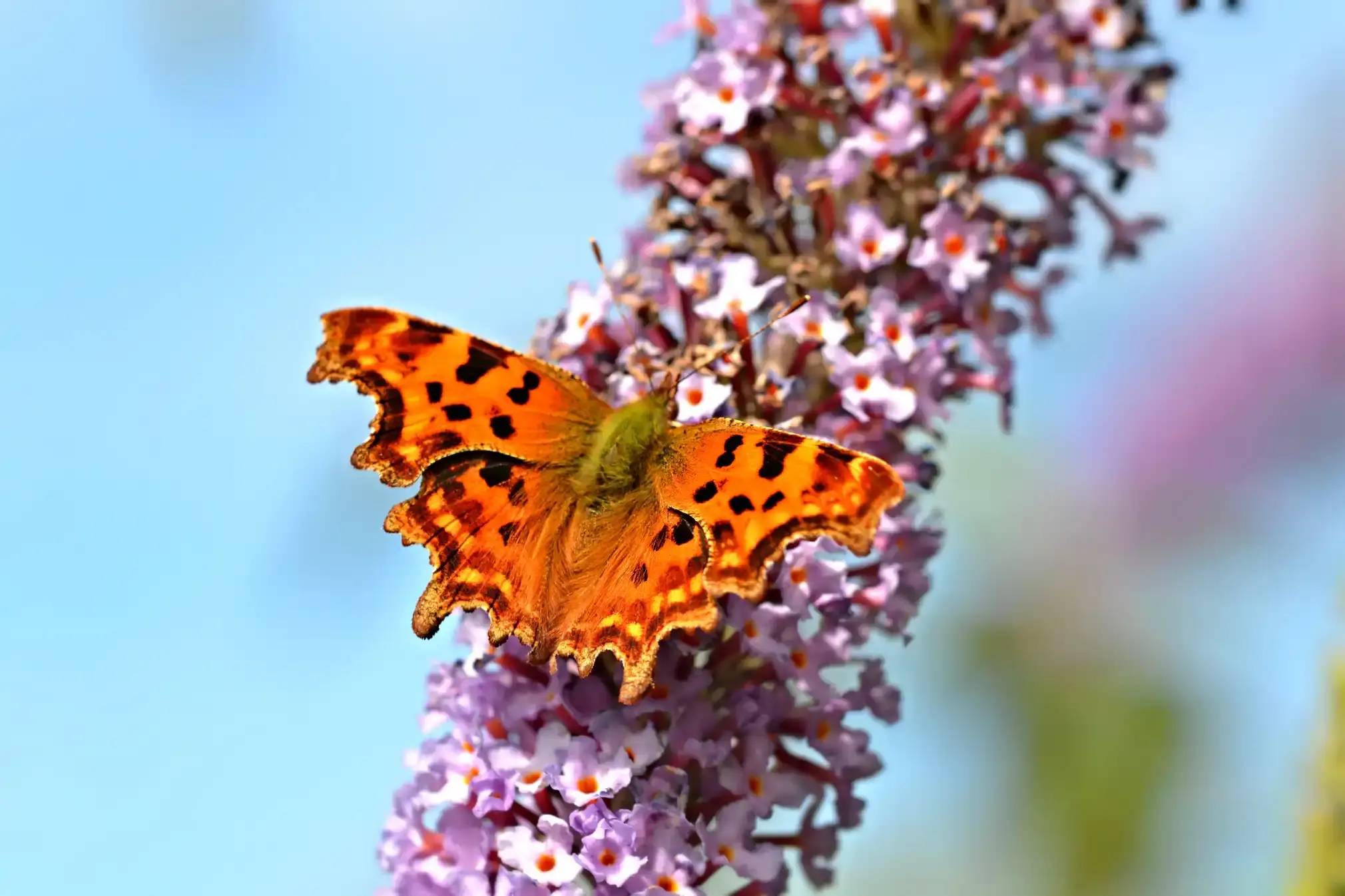
8. Comma: 43,062 sightings.The striking comma, with its scalloped edges and burnt orange colouring, had a 42% increase in sightings compared to last year. It is one few butterfly species to have maintained a consistent population since the count began, and has made a remarkable comeback since a severe decline in numbers in the twentieth century.
Photograph: Andrew Cooper/Butterfly Conservation
@photography
9/
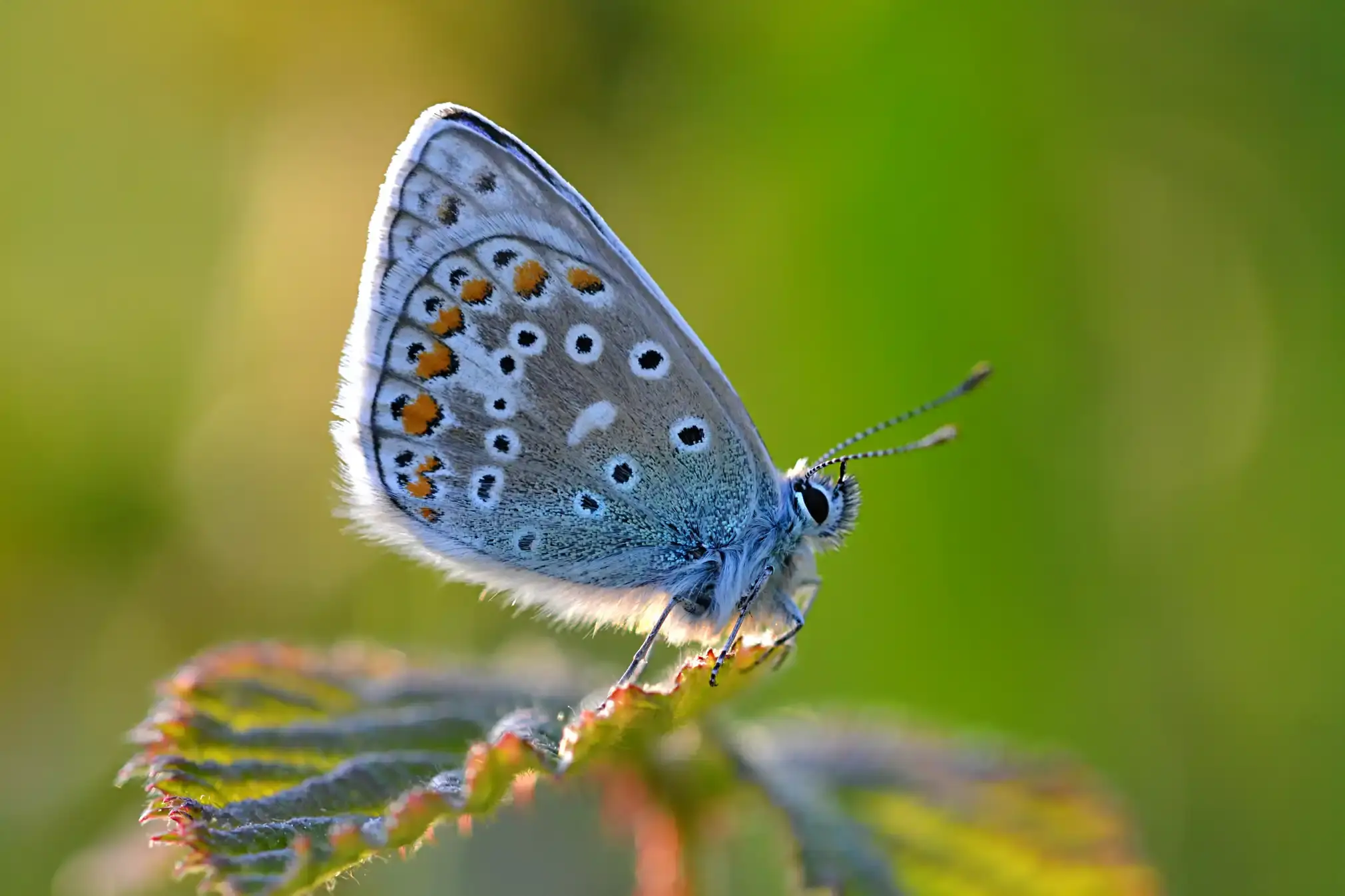
9. Common blue: 39,602 sightings.The common blue bounced back 228% from last year, which was its worst on record. However, its numbers are still 57% down since 2010.
Photograph: Butterfly Conservation
@appassionato
Hard to tell apart from the Question Mark.
It’s hard to tell size from the zoomed pic and if diminutive, it’s also easily going to pass for the Snout.
Lovely in any case. ❤
@appassionato @photography Excellent thread. It’s good to share a world with butterflies.
A world without butterflies (& birds) wouldn’t be worth living.