
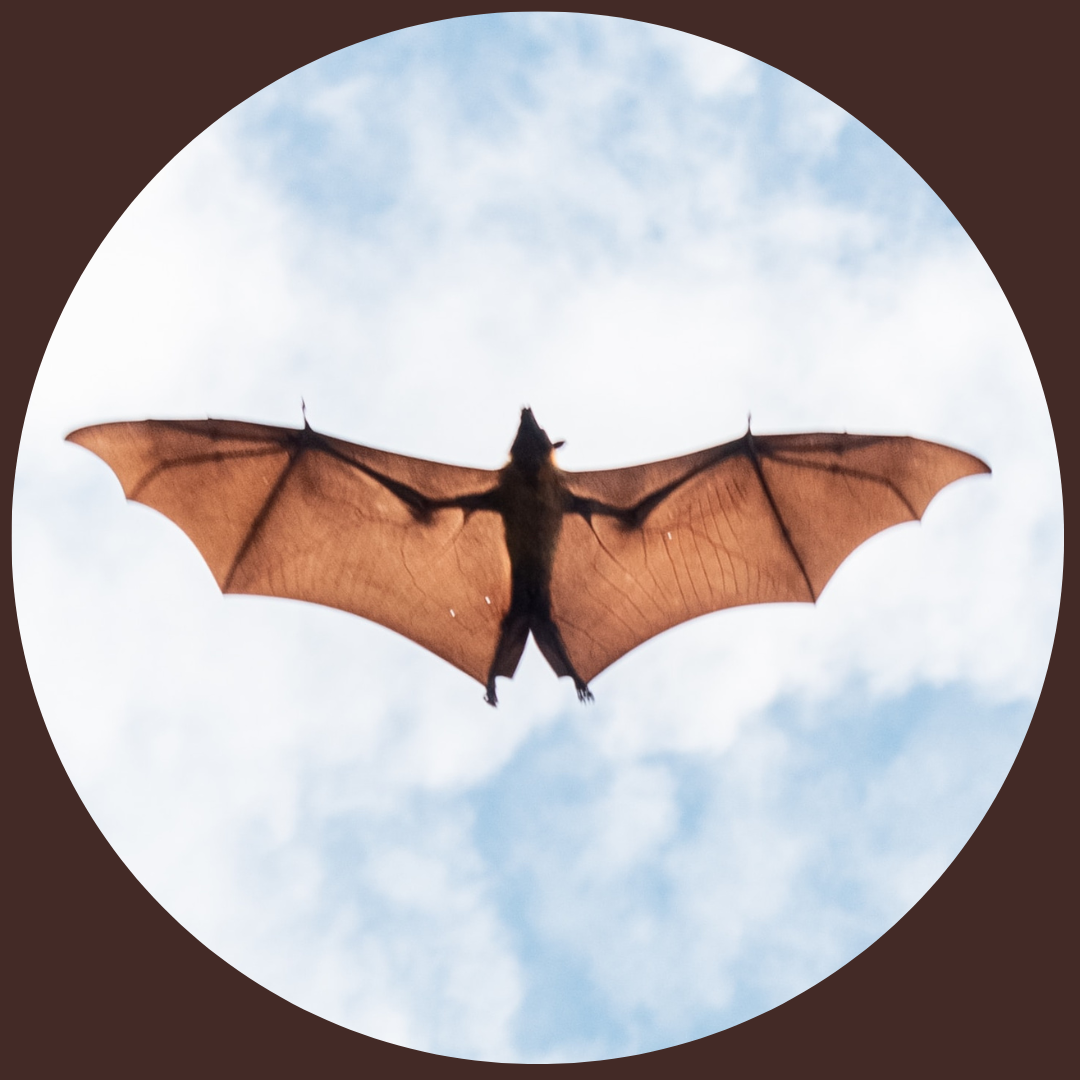
The bats got it figured out man. Fly around screaming into the night fly to Alaska for the summer and fuck in the moonlight while feasting on bugs like you wouldn’t believe. You just open your mouth and they fly right in. Then fly south and winter in the sub tropics
This feels like it should be a copypasta.
Make it so, number 1
“USGS biologist Paul Cryan led the most comprehensive study of hoary bat migration to date, published in Ecological Applications in 2014.
Because hoary bats are too small and too solitary to track with GPS collars or satellite tags across continental distances, Cryan used stable hydrogen isotopes in bat hair.
Hydrogen ratios in hair keratin reflect the latitude where the hair grew. By sampling hair from museum specimens collected across North America over five decades, Cryan mapped probable seasonal movements.
The results confirmed that hoary bats breeding as far north as Alaska and northern Canada migrate south in autumn to wintering grounds in California, Mexico, and possibly farther south.
Spring migration reverses the route. The bats that breed in the boreal forests of the far north spend winter in the subtropics.”
Source: Cryan (2014), Ecological Applications / USGS Fort Collins Science Center / NatureServe / Arnett et al. (2008), Journal of Wildlife Management / Alaska Department of Fish and Game.
That’s some good outside the box thinking, Paul!
Right? And I love how they collected hair from specimens in museums spanning 5 decades. Thats pretty incredible.
Literally learning from the past!
It can also give some indication if migration has changed over that time as well, I’d think.
The name alone invites a yo momma joke.
We were all thinking it. I just said it.