No, it isn’t especially susceptible, not every nation on earth is corrupt and treats their citizens like dirt.
Profit maximization isn’t only something corrupt businesses do. Every capitalist business on the planet seeks to generate a profit. That’s the whole point. Any business that fails to generate a profit isn’t a business for very long. Some businesses are perhaps content with maintaining a certain level of profitability without seeking to aggressively grow their profits, but those companies stay small. For companies to grow, they must prioritize profit growth. And that’s true of every for-profit company in any country, anywhere in the world. And this is especially true where private capital investment is involved. Investors invest their money in businesses they think will generate the highest possible profit, so that they can get the highest possible return on their capital investment. That’s the whole point of investing. And again that’s true in every country.
You haven’t connected the dots that profit leads to evil, so you demanding I accept profit-seeking as a fact accomplishes nothing. Companies do prioritize growth, that is why people and governments have to regulate them and prevent or reverse monopolies, I literally pointed that out in my last comment.
I don’t think they’re evil, necessarily. People and businesses aren’t necessarily acting out of malice, they’re just responding to the incentives that the system naturally creates. Private capital investment and ownership naturally leads to prioritizing maximum profits.
But there is an alternative, and it’s not merely theoretical. It exists, right now, in essentially every economy on the planet: non-profit organizations. I’m not talking about charities, I’m talking about organizations that produce products and services for consumers, that they sell to generate revenue. The difference is, they only seek to generate enough revenue to cover their expenses. They’re not trying to generate a profit, which is of course a surplus after expenses have been subtracted from revenue. They can do this because they don’t have traditional capitalist owners, who want the company to have a surplus at the end of the year so they can take it and put it in their own pockets. Instead they are owned by a community, or a government, or the consumers themselves.
Under this structure, the incentives change. For instance, I get my electricity from a non-profit, member owned cooperative. They sell me electricity, and I pay them for the electricity that I use, but they don’t generate a profit. The money I pay them goes to covering the costs of producing and distributing the electricity (I should point out that non-profit cooperatives do often produce a surplus, but they are legally obligated to put any surplus they do generate back into the organization by increasing the quality and/or quantity of the products and services they provide to their customers. Some cooperatives will even redistribute any surplus they generate back to their members in the form of rebates or dividends at the end of the year). Obviously, I and my fellow members of the electricity cooperative want our electricity bills to be as low as possible, so there’s no reason for us to increase the amount of money we charge ourselves for the electricity we use to try and generate a surplus at the end of the year.
Sounds like private property, comrade, I’d be careful around some of the other people in this thread because I don’t think they’re thinking what you’re thinking. BTW nonprofits can still pay their CEOs and boardmembers millions.
It can be, but it doesn’t necessarily have to be. I think a non-profit economy would be a mix of private and state organizations. And I’m not even necessarily advocating for a full non-profit economy. I think private profit can have its place in society. But I think some industries should be mostly, if not entirely, non-profit. For instance, I think healthcare should be non-profit. I think profit introduces incentives that make an effective, ethical healthcare system difficult, if not impossible to achieve.
I’d be careful around some of the other people in this thread because I don’t think they’re thinking what you’re thinking.
Possibly. I consider myself a critic of capitalism, but I’m not a Marxist. I think Marxist theory is flawed because it’s based on the labor theory of value, and I think the labor theory of value is incomplete, at best. The labor theory of value made a lot of sense in the 18th century when Adam Smith came up with it. He looked around Scotland at the time and saw butchers, and blacksmiths, and bakers, and cobblers, etc, and in every instance he saw human labor transforming raw materials into useful finished products. It makes sense why he would see labor as the source of all value creation. But, then the industrial revolution happened. Steam engines and eventually machines that could turn raw materials into useful finished products with minimal, if any, human labor. And that’s never been more true.
So if human labor isn’t the source of value creation, what is? Well, it’s clearly energy. No value can be created without energy. Whether it’s a human laborer, or a beast of burden, or a machine, none of them can do any useful work without energy.
But I digress. The thing is, I think the problem a lot of Marxists have with profit is that they see it as stolen labor value, and thus the solution is to make workers owners so that they can receive the full benefit of their labor. There’s nothing wrong with that, necessarily, but making workers owners wouldn’t necessarily fix everything. Workers can still be greedy. Workers want to get paid as much as they can for as little work as possible. At least some workers will cut corners and raise prices to put as much money in their pockets as possible.
BTW nonprofits can still pay their CEOs and boardmembers millions.
That’s very true. Theoretically, executives would be kept in check by the member-owners, who would vote out board members or executives who were acting too greedy. But, in practice that doesn’t always work. I worked for a credit union, and our executives did start to treat the organization like they owned it and we were all working for their profit. I hoped the members would vote them out, but most members weren’t aware or involved enough to know or care.
Maybe the “stakeholder” economy people are right. I don’t know, but we need an alternative to capitalism. When private capital owns and controls everything, the greed just gets too out of control. And the consequences of that are lining up to be severe.

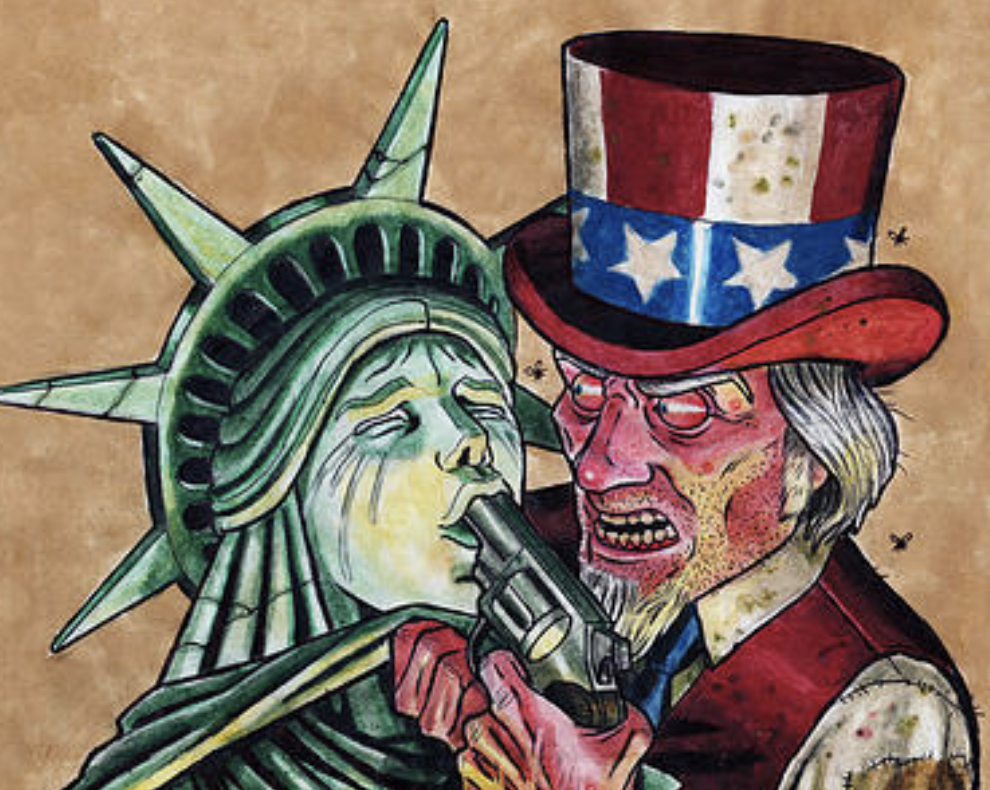

Profit maximization isn’t only something corrupt businesses do. Every capitalist business on the planet seeks to generate a profit. That’s the whole point. Any business that fails to generate a profit isn’t a business for very long. Some businesses are perhaps content with maintaining a certain level of profitability without seeking to aggressively grow their profits, but those companies stay small. For companies to grow, they must prioritize profit growth. And that’s true of every for-profit company in any country, anywhere in the world. And this is especially true where private capital investment is involved. Investors invest their money in businesses they think will generate the highest possible profit, so that they can get the highest possible return on their capital investment. That’s the whole point of investing. And again that’s true in every country.
You haven’t connected the dots that profit leads to evil, so you demanding I accept profit-seeking as a fact accomplishes nothing. Companies do prioritize growth, that is why people and governments have to regulate them and prevent or reverse monopolies, I literally pointed that out in my last comment.
I don’t think they’re evil, necessarily. People and businesses aren’t necessarily acting out of malice, they’re just responding to the incentives that the system naturally creates. Private capital investment and ownership naturally leads to prioritizing maximum profits.
But there is an alternative, and it’s not merely theoretical. It exists, right now, in essentially every economy on the planet: non-profit organizations. I’m not talking about charities, I’m talking about organizations that produce products and services for consumers, that they sell to generate revenue. The difference is, they only seek to generate enough revenue to cover their expenses. They’re not trying to generate a profit, which is of course a surplus after expenses have been subtracted from revenue. They can do this because they don’t have traditional capitalist owners, who want the company to have a surplus at the end of the year so they can take it and put it in their own pockets. Instead they are owned by a community, or a government, or the consumers themselves.
Under this structure, the incentives change. For instance, I get my electricity from a non-profit, member owned cooperative. They sell me electricity, and I pay them for the electricity that I use, but they don’t generate a profit. The money I pay them goes to covering the costs of producing and distributing the electricity (I should point out that non-profit cooperatives do often produce a surplus, but they are legally obligated to put any surplus they do generate back into the organization by increasing the quality and/or quantity of the products and services they provide to their customers. Some cooperatives will even redistribute any surplus they generate back to their members in the form of rebates or dividends at the end of the year). Obviously, I and my fellow members of the electricity cooperative want our electricity bills to be as low as possible, so there’s no reason for us to increase the amount of money we charge ourselves for the electricity we use to try and generate a surplus at the end of the year.
Sounds like private property, comrade, I’d be careful around some of the other people in this thread because I don’t think they’re thinking what you’re thinking. BTW nonprofits can still pay their CEOs and boardmembers millions.
It can be, but it doesn’t necessarily have to be. I think a non-profit economy would be a mix of private and state organizations. And I’m not even necessarily advocating for a full non-profit economy. I think private profit can have its place in society. But I think some industries should be mostly, if not entirely, non-profit. For instance, I think healthcare should be non-profit. I think profit introduces incentives that make an effective, ethical healthcare system difficult, if not impossible to achieve.
Possibly. I consider myself a critic of capitalism, but I’m not a Marxist. I think Marxist theory is flawed because it’s based on the labor theory of value, and I think the labor theory of value is incomplete, at best. The labor theory of value made a lot of sense in the 18th century when Adam Smith came up with it. He looked around Scotland at the time and saw butchers, and blacksmiths, and bakers, and cobblers, etc, and in every instance he saw human labor transforming raw materials into useful finished products. It makes sense why he would see labor as the source of all value creation. But, then the industrial revolution happened. Steam engines and eventually machines that could turn raw materials into useful finished products with minimal, if any, human labor. And that’s never been more true.
So if human labor isn’t the source of value creation, what is? Well, it’s clearly energy. No value can be created without energy. Whether it’s a human laborer, or a beast of burden, or a machine, none of them can do any useful work without energy.
But I digress. The thing is, I think the problem a lot of Marxists have with profit is that they see it as stolen labor value, and thus the solution is to make workers owners so that they can receive the full benefit of their labor. There’s nothing wrong with that, necessarily, but making workers owners wouldn’t necessarily fix everything. Workers can still be greedy. Workers want to get paid as much as they can for as little work as possible. At least some workers will cut corners and raise prices to put as much money in their pockets as possible.
That’s very true. Theoretically, executives would be kept in check by the member-owners, who would vote out board members or executives who were acting too greedy. But, in practice that doesn’t always work. I worked for a credit union, and our executives did start to treat the organization like they owned it and we were all working for their profit. I hoped the members would vote them out, but most members weren’t aware or involved enough to know or care.
Maybe the “stakeholder” economy people are right. I don’t know, but we need an alternative to capitalism. When private capital owns and controls everything, the greed just gets too out of control. And the consequences of that are lining up to be severe.