

From Ronald Kotinsky
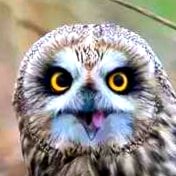
You’re looking at a Florida master of disguise - the Eastern Screech-Owl (Megascops asio). The fact that you can even see it in this photo is half the lesson.
Screech-owls are one of Florida’s most common owls, yet most people go their entire lives without spotting one. The reason is right in front of you. Their cryptic bark-patterned plumage isn’t just pretty - it’s a survival system. When roosting during the day, they lengthen their body, compress their feathers, and tilt into the tree, becoming virtually indistinguishable from a broken branch stub.
They don’t hide in the tree. They become the tree.
So how do you find one?
Look for roost cavities - Screech-owls favor natural tree hollows and old woodpecker holes. Palms, oaks, and dead snags are prime real estate.
Check the entrance holes - On a sunny day, they often sit just inside a cavity with their head poking out, soaking up warmth.
Follow the mob - Songbirds like jays, chickadees, and mockingbirds will relentlessly mob a roosting owl. If you hear an explosion of agitated birds in one spot, go investigate.
Go at dusk - That’s when they become active. Listen for their distinctive descending whinny call - once you know it, you’ll start hearing them everywhere.
Are owls actually angry or irritated when they squint like that or are they just having trouble to adapt to different light conditions?
They sure look quite pissed…
I’ve seen their pupils physically adjust very quickly, though I don’t know if their ocular nerves necessarily enjoy it. I hear flashing them with lighting at night does stun them just like it would to us. In some photos where they are in partial shade, you can even see one eye dilated significantly different than the other. They can dilate their eyes independently of each other.
It seems to be looking at the camera, so it’s probably not the happiest since it’s awake after bed time and it sees a person it would identify as a predator, as we have forward facing eyes. Smaller owls like Screeches have a decent number of predators they need to be alert for, so when they see us, they are already going to be defensive.