If AI were accurate, you’d have a good point. Unfortunately, that’s not how it works, as hallucinations are part and parcel to how these things function. Medical, law, and psychology are all topics where it’s crucial to know factual information, and trusting these machines to any of those things is foolish. For example, there have already been over a thousand times where AI misrepresented or straight-up fabricated case law used in court.
LLMs as they currently exist are far too sycophantic to be trusted as psychological and medical help either. Therapy sometimes requires feedback that a patient might not want to hear, but these machines are designed to give the user answers that make them comfortable. A person who needs to face harsh truths isn’t going to get the direction they need from it.
The study also revealed a two-way communication breakdown. Participants often didn’t know what information the LLMs needed to offer accurate advice, and the responses they received frequently combined good and poor recommendations, making it difficult to identify the best course of action.
In addition, existing tests fall short: current evaluation methods for LLMs do not reflect the complexity of interacting with human users. Like clinical trials for new medications, LLM systems should be tested in the real world before being deployed.
It isn’t “propaganda” to point out the facts. LLMs at this stage are not suited to handle such crucial topics. The margin for error here is too great for these applications, and misapplying AI for any of them can lead to dangerous results.
If LLMs weren’t accurate up to a certain point they wouldn’t even exist. You can ask a free model where the metacarpus is and it will provide a good enough answer
Unfortunately, that’s not how it works, as hallucinations are part and parcel to how these things function.
You are not supposed to take for granted everything that an LLMs says, even you seem to be quite aware of this. If your argument is that AI could mislead people so could books if you read random pages without context.
It isn’t “propaganda” to point out the facts.
There’s a good chance that this meme is in fact propaganda, if you can’t figure out why and how try to ask an LLM about it.
The margin for error here is too great for these applications, and misapplying AI for any of them can lead to dangerous results.
It seem like you are only taking into account the cases where AI could mislead you and not all the rest where it could be useful, as far i’m aware most LLM when asked about serious medical conditions will point out to seek medical advice from professionals.
Of course I’m “only taking into account the cases where AI could mislead.” That’s the part about them that’s dangerous.
You said it yourself:
the average person in comparison is stupid as fuck
A lot of people lack information literacy and take no steps to verify what an LLM tells them. Yet you think they’d be able to parse factual information from hallucinated information? As I linked above, even lawyers, who know full well how to research things, are screwing up by relying on LLMs. How is the average person supposed to know that what they’re being told is accurate?
Best case scenario, somebody researches a claim and finds it to be true. But in that case, why not just go straight to researching sources yourself, without the LLM in the first place? It’s an extra “middle man” that can’t discern fact from fiction, that makes up studies that don’t exist in order to back up whatever nonsense it dreams up.
Being stupid as fuck means you are supposed to get access to more knowledge not less.
How is the average person supposed to know that what they’re being told is accurate?
This applies to everything not just AI, you can forward this answer to an LLM and it will help you with the puzzle.
Best case scenario, somebody researches a claim and finds it to be true. But in that case, why not just go straight to researching sources yourself, without the LLM in the first place?
because for example to know where the pisiform bone is, going through a 2000 pages anatomy book may be not too practical for the average person.


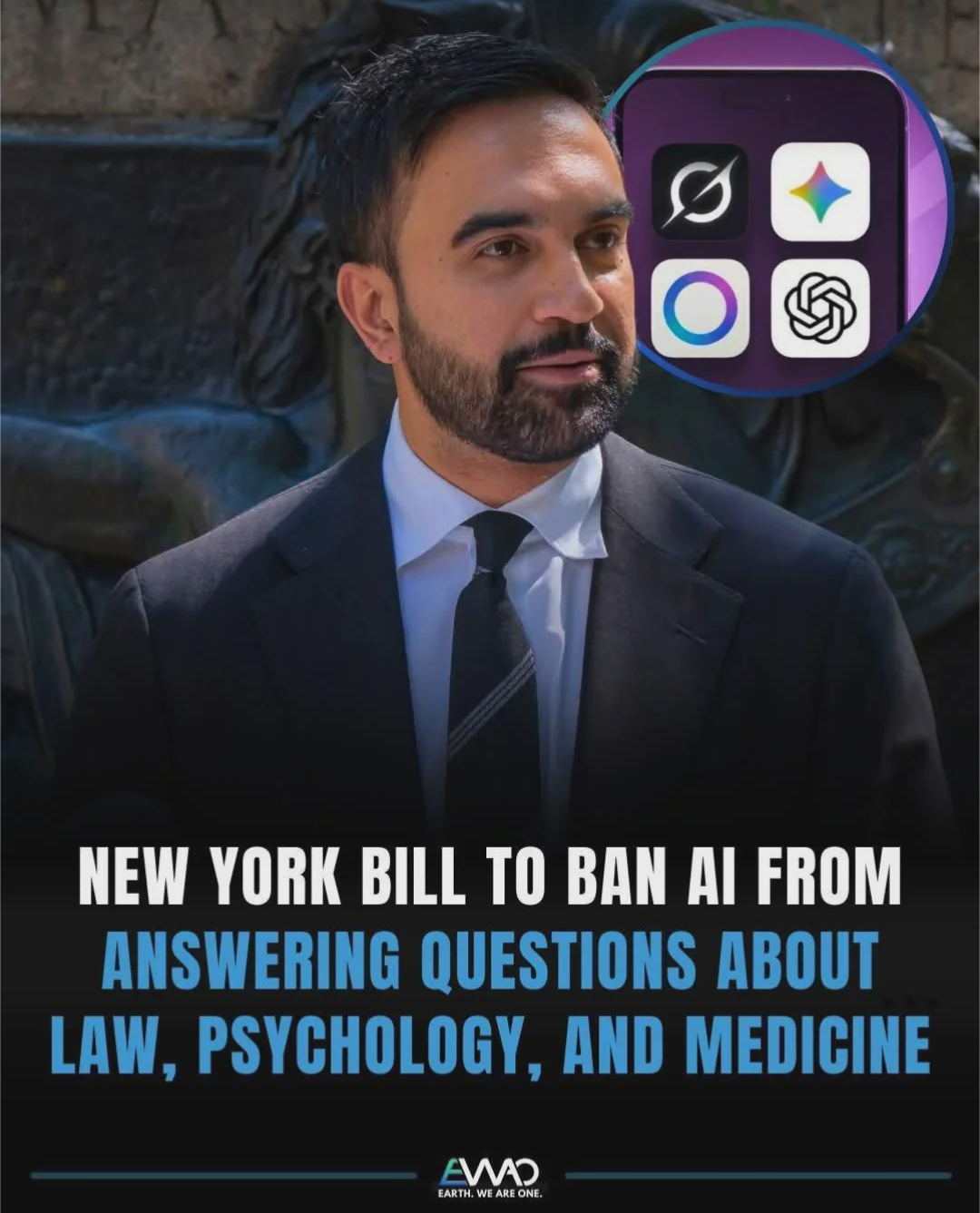
If AI were accurate, you’d have a good point. Unfortunately, that’s not how it works, as hallucinations are part and parcel to how these things function. Medical, law, and psychology are all topics where it’s crucial to know factual information, and trusting these machines to any of those things is foolish. For example, there have already been over a thousand times where AI misrepresented or straight-up fabricated case law used in court.
LLMs as they currently exist are far too sycophantic to be trusted as psychological and medical help either. Therapy sometimes requires feedback that a patient might not want to hear, but these machines are designed to give the user answers that make them comfortable. A person who needs to face harsh truths isn’t going to get the direction they need from it.
Then there’s medical advice. There are a number of ways LLMs fall short of actual medical professionals. A couple points from that article:
It isn’t “propaganda” to point out the facts. LLMs at this stage are not suited to handle such crucial topics. The margin for error here is too great for these applications, and misapplying AI for any of them can lead to dangerous results.
If LLMs weren’t accurate up to a certain point they wouldn’t even exist. You can ask a free model where the metacarpus is and it will provide a good enough answer
You are not supposed to take for granted everything that an LLMs says, even you seem to be quite aware of this. If your argument is that AI could mislead people so could books if you read random pages without context.
There’s a good chance that this meme is in fact propaganda, if you can’t figure out why and how try to ask an LLM about it.
It seem like you are only taking into account the cases where AI could mislead you and not all the rest where it could be useful, as far i’m aware most LLM when asked about serious medical conditions will point out to seek medical advice from professionals.
Of course I’m “only taking into account the cases where AI could mislead.” That’s the part about them that’s dangerous.
You said it yourself:
A lot of people lack information literacy and take no steps to verify what an LLM tells them. Yet you think they’d be able to parse factual information from hallucinated information? As I linked above, even lawyers, who know full well how to research things, are screwing up by relying on LLMs. How is the average person supposed to know that what they’re being told is accurate?
Best case scenario, somebody researches a claim and finds it to be true. But in that case, why not just go straight to researching sources yourself, without the LLM in the first place? It’s an extra “middle man” that can’t discern fact from fiction, that makes up studies that don’t exist in order to back up whatever nonsense it dreams up.
Being stupid as fuck means you are supposed to get access to more knowledge not less.
This applies to everything not just AI, you can forward this answer to an LLM and it will help you with the puzzle.
because for example to know where the pisiform bone is, going through a 2000 pages anatomy book may be not too practical for the average person.